
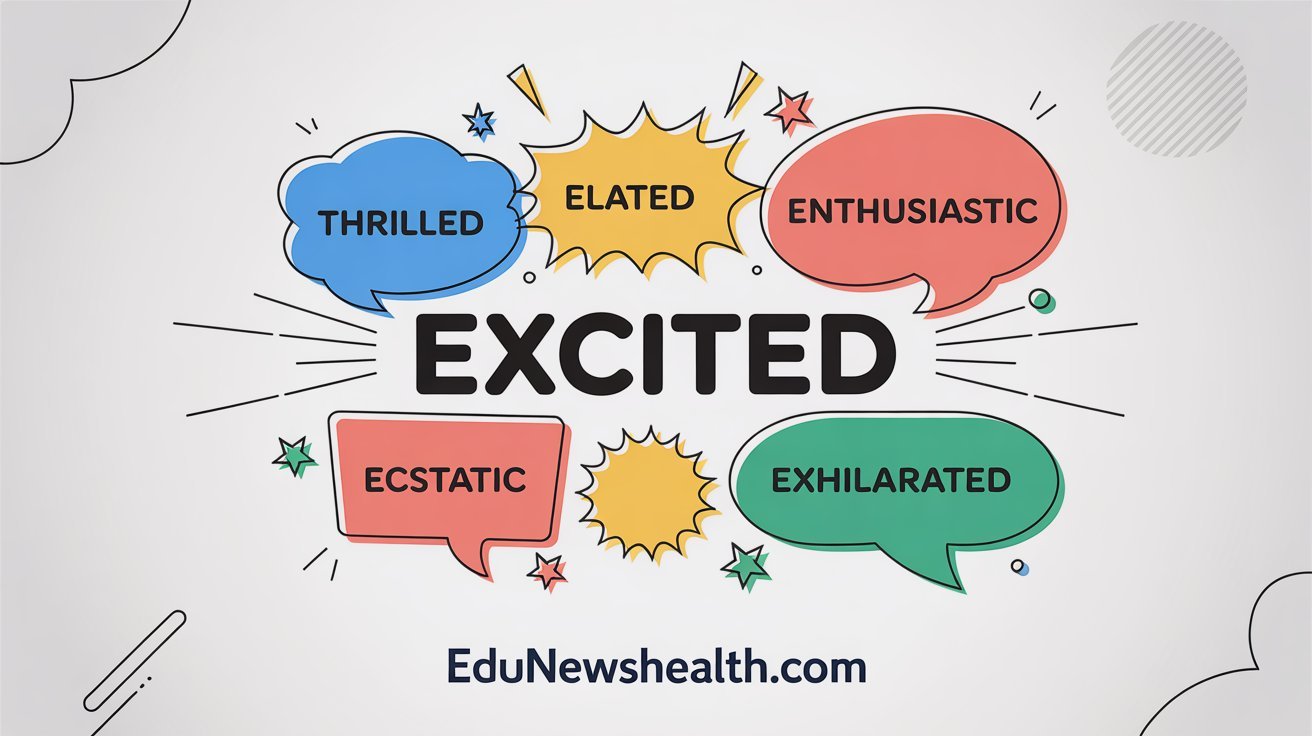
Excited Synonyms That Transform Your Writing 2026
Introduction
You know that feeling when you’re writing and you’ve used the word “excited” for the third time in one paragraph? It’s frustrating, right? You want to express enthusiasm, but you’re stuck in a repetitive loop. I’ve been there countless times, staring at my screen, knowing there’s a better word just out of reach.
Finding the right excited synonym can completely transform your writing. Whether you’re crafting an email, working on a blog post, or polishing a professional document, having a rich vocabulary at your fingertips makes all the difference. The word “excited” is wonderful, but overusing it makes your writing feel flat and uninspired.
In this article, you’ll discover dozens of powerful alternatives to “excited.” We’ll explore when to use each synonym, how different words create different emotions, and practical examples that show these words in action. By the end, you’ll have a complete toolkit of expressions that bring energy and variety to everything you write.
Why You Need Alternatives to “Excited”
Using the same word repeatedly creates monotony in your writing. Your readers notice it, even if they don’t consciously realize what’s bothering them. Repetitive language makes even the most interesting content feel dull.
Variety keeps readers engaged. When you mix up your vocabulary, you create rhythm and flow that pulls people through your text. Each synonym carries its own subtle meaning and emotional weight. Some words suggest wild enthusiasm, while others convey quiet anticipation.
Professional writers understand this instinctively. They know that the difference between good writing and great writing often comes down to word choice. The right synonym doesn’t just replace a word. It adds depth, creates imagery, and connects with readers on an emotional level.
Think about it this way. If someone tells you they’re “excited” about a project versus “thrilled” or “electrified,” doesn’t each word paint a slightly different picture? That’s the power of choosing your synonyms carefully.
Formal Excited Synonyms for Professional Writing
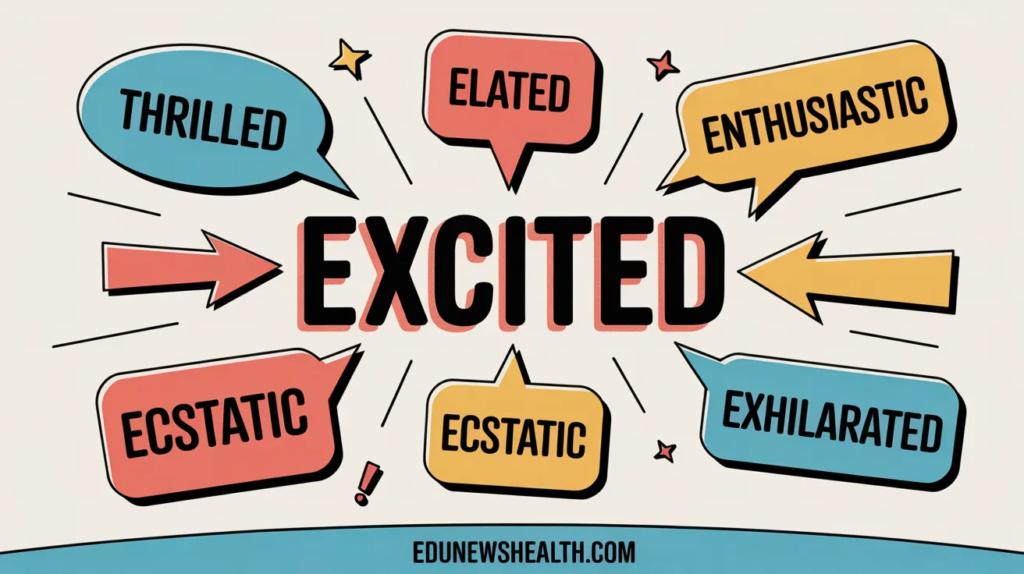
Enthusiastic
This word works beautifully in professional contexts. When you’re enthusiastic about something, you show genuine interest without sounding over the top. It’s perfect for business emails, cover letters, and professional networking.
Example: “I’m enthusiastic about the opportunity to contribute to your team’s success.”
Eager
Eager suggests readiness and willingness. It’s slightly more energetic than enthusiastic but still maintains professionalism. Use this when you want to show you’re prepared to jump into action.
Example: “We’re eager to begin implementing these new strategies.”
Keen
Popular in British English, keen works well in formal writing worldwide. It suggests sharp interest and intellectual engagement. This word is particularly effective when discussing ideas, projects, or opportunities.
Example: “The board members are keen to explore this innovative approach.”
Delighted
Delighted adds warmth to professional communication. It’s formal enough for business use but personal enough to build connections. I often use this in client emails because it sounds genuinely positive without being excessive.
Example: “We’re delighted to announce the launch of our new product line.”
Casual Excited Synonyms for Everyday Conversation
Pumped
This informal synonym brings energy and personality. You’ll hear it in gyms, sports contexts, and casual conversations. It’s the word you use when you’re fired up and ready to go.
Example: “I’m so pumped for the concert tonight!”
Stoked
Originating from surf culture, stoked has become mainstream slang. It suggests deep satisfaction and anticipation combined. Young adults and casual writers love this word for its laid-back vibe.
Example: “She’s stoked about starting her new job next week.”
Hyped
When something has you hyped, you’re beyond ordinary excitement. This word suggests building anticipation, often influenced by social media or cultural buzz. It’s everywhere in modern communication.
Example: “Everyone’s hyped about the movie release.”
Psyched
Psyched captures intense enthusiasm with a slightly retro feel. It’s been around since the 1960s but remains popular in casual speech. Use it when you want to sound enthusiastic without being too formal.
Example: “I’m psyched to finally meet you in person!”
Intense Excited Synonyms for Strong Emotions
Thrilled
Thrilled takes excitement to the next level. It suggests being deeply moved or experiencing powerful joy. This word works in both formal and informal contexts, making it incredibly versatile.
Example: “The team was thrilled to win the championship.”
Ecstatic
When excited isn’t strong enough, ecstatic steps in. This word describes overwhelming joy and excitement. Use it sparingly for maximum impact, saving it for truly extraordinary moments.
Example: “Parents were ecstatic when their daughter graduated with honors.”
Elated
Elated suggests soaring happiness and excitement. It’s more refined than ecstatic but equally powerful. Writers often choose this for literary or sophisticated contexts.
Example: “He felt elated after receiving the promotion.”
Exhilarated
Exhilarated combines excitement with a sense of invigoration. It’s the feeling you get after an amazing experience that leaves you energized. This word works particularly well when describing adventures or achievements.
Example: “She felt exhilarated after completing her first marathon.”
Subtle Excited Synonyms for Quiet Anticipation
Animated
Animated suggests lively interest without overwhelming enthusiasm. It’s perfect when you want to convey engagement and energy in a measured way. This word often describes how people appear when discussing topics they care about.
Example: “The professor became animated when discussing her research.”
Interested
Sometimes simple is best. Interested conveys positive engagement without the intensity of excitement. Use this when you want to sound professional and measured while still showing genuine attention.
Example: “We’re interested in learning more about your proposal.”
Intrigued
Intrigued adds an element of curiosity to excitement. It suggests that something has captured your attention in a compelling way. This word works beautifully in professional and creative contexts alike.
Example: “Investors are intrigued by the startup’s innovative technology.”
Fascinated
Fascinated goes beyond simple interest. It suggests being captivated and deeply engaged. When you’re fascinated, you’re not just excited but completely absorbed in something.
Example: “Readers were fascinated by the historical details in the novel.”
Action-Oriented Excited Synonyms

Energized
Energized connects excitement with motivation and power. It’s the feeling that propels you forward into action. This word is particularly effective in motivational writing and personal development contexts.
Example: “The workshop left participants feeling energized and ready to implement changes.”
Charged
Charged suggests electrical energy and readiness. It’s dynamic and forward-moving. I find this word especially useful when describing team environments or high-energy situations.
Example: “The atmosphere in the room was charged with anticipation.”
Fired Up
This phrase brings heat and intensity. It’s informal but powerful, suggesting passion that’s ready to burst into action. Use it when you want to convey unstoppable enthusiasm.
Example: “The crowd was fired up after the motivational speech.”
Revved Up
Borrowed from automotive language, revved up suggests building power and momentum. It’s casual and energetic, perfect for describing preparation and anticipation before big events.
Example: “Athletes were revved up before the championship game.”
Creative Excited Synonyms for Writers
Electrified
Electrified suggests sudden, powerful excitement that surges through you. It’s a vivid, sensory word that creates strong imagery. Writers use this to make excitement feel almost physical.
Example: “The audience was electrified by the surprise announcement.”
Inspired
Inspired connects excitement with creativity and possibility. When you’re inspired, you’re not just excited but filled with ideas and motivation. This word elevates ordinary enthusiasm into something more meaningful.
Example: “Artists felt inspired after visiting the gallery exhibition.”
Impassioned
Impassioned combines excitement with deep emotional investment. It suggests that your enthusiasm comes from genuine passion and belief. This word works beautifully in persuasive and emotional writing.
Example: “She delivered an impassioned speech about environmental conservation.”
Galvanized
Galvanized suggests excitement that spurs action and change. It’s a powerful word that implies transformation and movement. When something galvanizes you, it doesn’t just excite you but mobilizes you.
Example: “Community members were galvanized to take action after the town hall meeting.”
How to Choose the Right Excited Synonym
Context determines everything. Before selecting a synonym, ask yourself who your audience is and what tone you’re aiming for. A word that works perfectly in a casual blog post might feel wrong in a business proposal.
Consider the intensity level you need. Not every situation calls for maximum excitement. Sometimes understated enthusiasm is more effective than over-the-top expressions. Match your word choice to the situation’s actual energy level.
Think about connotation and imagery. Each synonym carries subtle associations beyond its basic meaning. Electrified creates different mental pictures than delighted. These nuances matter more than you might think.
Read your writing aloud. Your ear will often catch what your eye misses. If a synonym sounds awkward or forced when spoken, it probably won’t work well on the page either.
Common Mistakes When Using Excited Synonyms
Overreaching for fancy words is a common trap. Don’t choose a complicated synonym just to sound sophisticated. If “excited” is genuinely the best word for your sentence, use it. Clarity always beats unnecessary complexity.
Ignoring your audience’s language preferences creates disconnection. Corporate executives and teenagers speak differently. Match your vocabulary to the people you’re addressing.
Using words you don’t fully understand leads to embarrassing mistakes. Before using a new synonym, check its exact meaning and typical usage. A misused impressive word is worse than a correctly used simple one.
Forgetting about variety within your synonyms causes another type of repetition. If you replace every instance of “excited” with “thrilled,” you’ve just swapped one repetitive pattern for another. True variety means using multiple alternatives throughout your text.
Excited Synonyms in Different Writing Contexts
Business and Professional Writing
In professional contexts, lean toward words like enthusiastic, eager, pleased, and delighted. These maintain authority while showing genuine interest. Avoid overly casual terms that might undermine your credibility.
Professional writing benefits from measured excitement. You want to show engagement without appearing unprofessional or childish. The right synonym strikes this balance perfectly.
Creative and Literary Writing
Creative writing gives you freedom to experiment. Here, electrified, exhilarated, and impassioned shine. You can push language boundaries and create vivid emotional experiences for readers.
Literary contexts reward precise, evocative word choices. Don’t settle for the first synonym you think of. Push yourself to find the exact word that captures your intended emotion.
Social Media and Marketing
Marketing copy needs punchy, energetic language. Pumped, hyped, and stoked work well for younger audiences. Thrilled and delighted appeal to broader demographics while maintaining enthusiasm.
Social media demands immediate impact. Choose words that grab attention in crowded feeds. Your excited synonym should make people stop scrolling and pay attention.
Academic and Research Writing
Academic contexts require restraint. Interested, intrigued, and eager suit formal research writing. These words show intellectual engagement without sounding unprofessional or emotional.
Research writing values precision over personality. Your synonym choices should clarify meaning rather than add stylistic flourishes.
Building Your Vocabulary Naturally
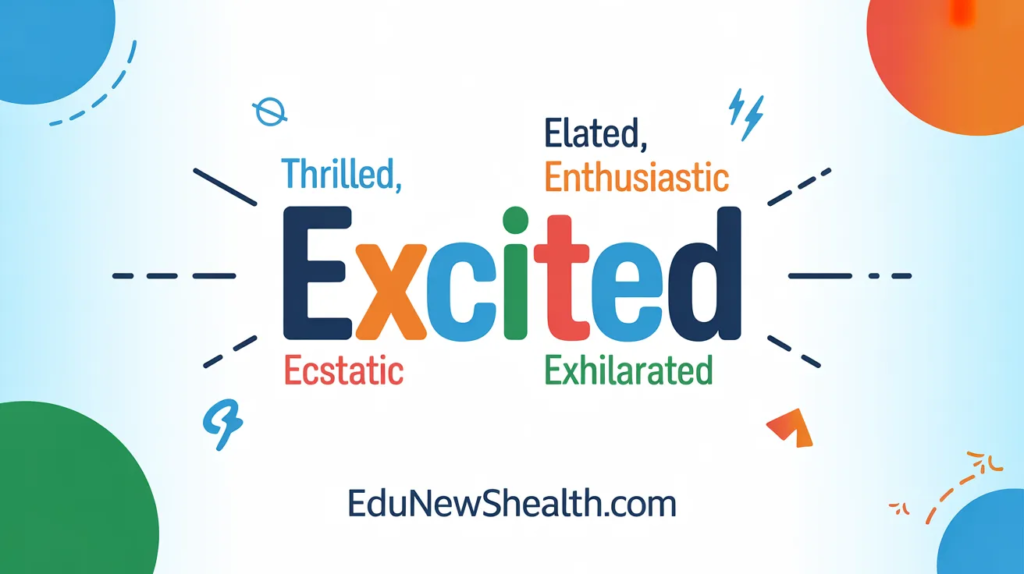
Reading widely exposes you to synonyms in context. Pay attention to how skilled writers vary their language. Notice which words appear in which situations and how they affect the overall tone.
Keep a personal word journal. When you encounter an interesting excited synonym, write it down with an example sentence. Review this periodically to internalize new vocabulary.
Practice deliberately in your own writing. Challenge yourself to use different synonyms in each draft. This conscious practice eventually becomes unconscious skill.
Use thesaurus tools wisely. A thesaurus suggests options, but you still need to verify meanings and appropriateness. Never blindly substitute without understanding nuance.
The Psychology Behind Word Choice
Different words trigger different emotional responses in readers. Research shows that word choice significantly impacts how people perceive messages. An “enthusiastic” email feels different from an “ecstatic” one, even when discussing the same topic.
Energy words activate readers differently. Dynamic synonyms like electrified and charged create more mental stimulation than passive ones like pleased. This activation affects engagement and memory.
Cultural backgrounds influence word perception. Some synonyms resonate more strongly with certain audiences based on their linguistic experiences. Global audiences might interpret excitement differently than local ones.
Your word choices reveal your personality. The synonyms you favor say something about how you see the world. Conscious vocabulary development helps you present yourself exactly as you intend.
Conclusion
Finding the perfect excited synonym transforms ordinary writing into compelling communication. You now have dozens of alternatives to choose from, each with its own flavor and appropriate context. From professional words like enthusiastic and eager to energetic options like pumped and electrified, your vocabulary toolkit is fully stocked.
Remember that variety matters more than complexity. The goal isn’t to sound fancy but to express yourself clearly and engagingly. Match your word choice to your audience, context, and the specific emotion you want to convey.
Start experimenting with these synonyms in your daily writing. Pay attention to how different words change the feel of your sentences. With practice, selecting the right excited synonym will become second nature.
What excited synonym will you try first in your next piece of writing? Choose one that resonates with you and make it your own.
FAQs
What is the best formal synonym for excited?
Enthusiastic is the best formal synonym for excited in professional contexts. It conveys genuine interest while maintaining appropriate business tone. Other excellent formal options include eager, keen, and pleased.
Can I use excited in academic writing?
You can use excited in academic writing, but more precise alternatives are often better. Words like interested, intrigued, or engaged better suit scholarly contexts. Reserve excited for less formal academic communications.
What’s a stronger word than excited?
Ecstatic, thrilled, and elated are all stronger than excited. Ecstatic suggests overwhelming joy, thrilled indicates intense pleasure, and elated conveys soaring happiness. Choose based on the intensity you need to express.
How do I avoid overusing excited in my writing?
Create a personal list of favorite excited synonyms and refer to it while writing. Edit specifically for repetition in your revision process. Reading your work aloud helps identify where you’ve overused any word.
What excited synonym works best for children?
Happy, thrilled, and pumped work well for children. These words are simple, energetic, and easy to understand. Match your choice to the child’s age and reading level for best results.
Is pumped too informal for blog writing?
Pumped works well in casual blog writing, especially for younger audiences. However, it may be too informal for professional or academic blogs. Consider your specific audience and blog purpose before using informal synonyms.
What’s the difference between excited and enthusiastic?
Excited implies emotional anticipation and energy, while enthusiastic suggests sustained interest and passion. Excited is often temporary and reactive, whereas enthusiastic indicates ongoing commitment. Both are positive but serve different purposes.
Can excited synonyms improve my SEO?
Using synonyms can improve SEO by helping your content rank for related search terms. Search engines recognize semantic relationships between words. Natural variation also improves readability, which indirectly benefits SEO through better user engagement.
What excited synonym sounds most professional?
Pleased, enthusiastic, and delighted sound most professional. These words convey positive feelings while maintaining appropriate business decorum. They work well in everything from emails to formal reports.
How many synonyms should I use in one article?
Use three to five different synonyms throughout an article to maintain variety without seeming forced. This provides enough variation to keep writing fresh while avoiding confusion. Focus on natural flow rather than hitting a specific number.
Also Read : Cloud Security Tips