
What Are Backlinks and How to Create Them 2026
Understanding Backlinks: Definition and Importance
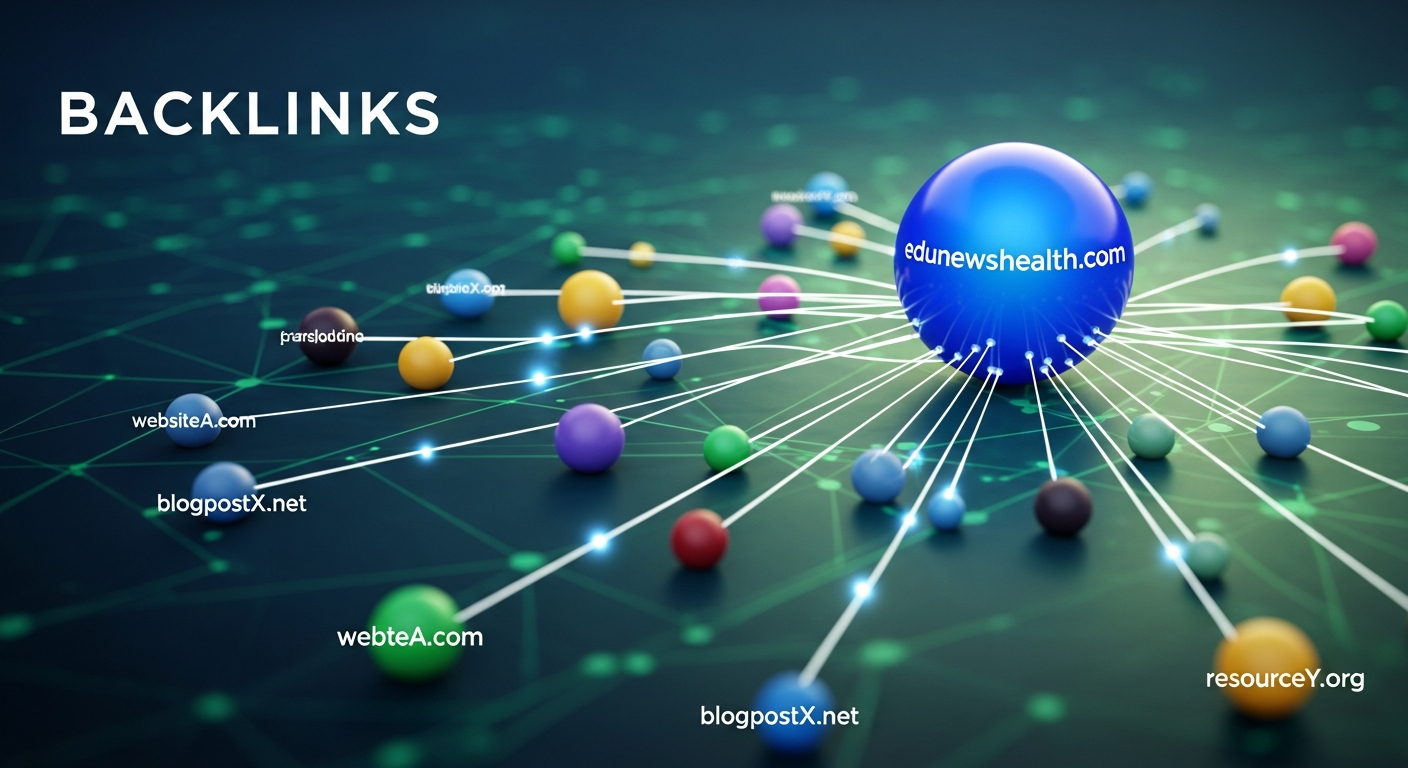
Backlinks, also known as inbound links or external links, are hyperlinks that connect one website to another. When a website A links to website B, it creates a backlink for website B. This hyperlink acts as a vote of confidence in the linked content, signaling to search engines like Google that the content is valuable and credible. Backlinks serve as a fundamental element of Search Engine Optimization (SEO), significantly impacting website visibility and ranking in search engine results pages (SERPs).
Search engines utilize backlinks to determine the relevance and authority of a website. When evaluating a webpage, algorithms assess the quantity and quality of backlinks pointing to it. A higher number of quality backlinks can enhance a website’s ranking potential. Quality is primarily established through the authority of the linking site; therefore, a backlink from a reputable source can substantially improve rankings compared to multiple links from low-quality sites.
The importance of backlinks in driving organic traffic cannot be understated. Websites with a healthy backlink profile are more likely to appear in top search results, thus attracting higher visitor numbers. Furthermore, backlinks contribute to improving a website’s domain authority—a metric that reflects a site’s overall strength and credibility within its niche. As domain authority increases, so does the potential to rank higher in SERPs, leading to even more organic traffic.
Additionally, backlinks enhance a website’s credibility and trustworthiness. When authoritative websites link back to a specific site, they help establish it as an industry leader. This can lead to increased recognition, as potential customers and clients are more likely to trust a website with numerous backlinks from reputable sources. Ultimately, understanding the significance of backlinks is crucial for anyone looking to enhance their website’s performance and achieve lasting success in the digital landscape.
Types of Backlinks: Do-Follow vs No-Follow
Backlinks are an essential aspect of search engine optimization (SEO) that can significantly influence a website’s ranking on search engines. Among the different types of backlinks available, do-follow and no-follow links are the two main categories that webmasters should understand to make informed decisions regarding their link-building strategies.
Do-follow backlinks are the most commonly sought after in the realm of SEO. When a website links to another site with a do-follow link, it allows search engines to follow that link and pass authority from the linking page to the linked page. Essentially, this type of backlink acts as a vote of confidence in the content being pointed to, helping to improve the linked site’s search engine ranking. Consequently, webmasters aim to acquire do-follow backlinks from reputable and relevant websites, as this can lead to enhanced visibility and credibility within their niche.
On the other hand, no-follow backlinks do not pass on link equity or authority to the linked site. These links include a no-follow attribute in their HTML code, instructing search engines not to consider them for ranking considerations. While this may seem less beneficial for boosting search rankings, no-follow links still play a crucial role in an effective backlink strategy. They can help diversify a website’s link profile and drive traffic from sources that might not directly influence SEO rankings. Moreover, they are often used in comments, forums, and social media, where user-generated content is frequent.
In conclusion, a balanced approach that incorporates both do-follow and no-follow links is vital for maximizing the effectiveness of a backlink strategy in achieving desired SEO results. Understanding the distinct advantages of each type will enable webmasters to optimize their efforts effectively in the competitive digital landscape.
How to Create Quality Backlinks: Strategies and Techniques
Creating quality backlinks is a crucial component of any successful SEO strategy. Backlinks serve as a vote of confidence from one website to another, signaling to search engines that your content is valuable and trustworthy. Here are some effective strategies for generating high-quality backlinks that can enhance your website’s authority.
One popular method is guest blogging, where you write articles for other websites in your niche. This approach not only allows you to showcase your expertise but also provides an opportunity to include links back to your own content. When choosing blogs for guest posts, prioritize those with a good reputation and engagement levels that match your target audience.
Resource link building involves creating high-quality content that naturally fits into existing resources. For instance, if you have an in-depth guide or a unique study, you can reach out to sites that have resource pages or directories in your field. By suggesting your content as a valuable addition, you may gain a quality backlink.
Another effective technique is broken link building. This involves finding broken links on other websites and reaching out to the site owners, suggesting your content as a replacement. This not only helps the site owner improve their content but can also net you a reputable backlink.
Forming partnerships with influencers can also be a valuable strategy. Collaborating with them on projects or having them share your content can lead to high-quality backlinks from their websites or social media platforms.
Finally, the foundation of attracting backlinks lies in creating valuable, engaging content that resonates with your audience. Well-researched articles, infographics, and case studies are more likely to be linked to by others. When reaching out for link-building opportunities, a personalized approach, demonstrating genuine interest in their content, can greatly improve your chances of success.

Measuring the Impact of Backlinks: Tools and Metrics
Evaluating the effectiveness of backlinks is essential for any digital marketing strategy. Various tools and metrics are available to assist in assessing the performance of backlinks, ensuring that they contribute positively to a website’s visibility and performance. One of the primary metrics used in this process is Domain Authority (DA), which is a score developed by Moz that predicts how well a website will rank on search engines. A higher DA indicates a greater likelihood of achieving a strong ranking, making it a vital metric for assessing backlink quality.
Additionally, Page Authority (PA) is another metric provided by Moz that focuses on individual pages rather than entire domains. PA can offer insights into how well a specific page may perform based on its backlink profile. Evaluating both DA and PA provides a comprehensive view of how backlinks are influencing a website’s overall authority and search engine ranking.
Furthermore, traffic analysis tools such as Google Analytics can shed light on the impact of backlinks on website traffic. By tracking referral traffic from backlinks, website owners can determine which links are driving the most visitors and contributing to their goals, be it conversions or increased engagement. This data can often reveal patterns in user behavior sourced from specific backlinks.
In addition to these metrics, it is crucial to regularly assess the quality of acquired backlinks. Low-quality or spammy backlinks can harm a site’s reputation and ranking. Digital marketers should periodically conduct audits to identify such links and take corrective actions, such as disavowing harmful links in Google Search Console. By maintaining a healthy backlink profile, websites can capitalize on their SEO strategies effectively.