

How to Earn Money by Blogging 2026
Understanding the Blogging Landscape
The blogging industry has witnessed considerable growth over the past decade, evolving into a dynamic and diverse ecosystem. Initially, blogs served as personal platforms for sharing thoughts and experiences; however, they have now transformed into a viable career option for many. Blogging offers individuals the opportunity to tap into various niches, each with its unique audience and monetization potential. Some of the most lucrative blog niches include travel, personal finance, health and wellness, and technology, allowing bloggers to cater to specific interests and needs.
The rise of digital content consumption has played a significant role in the proliferation of blogs, as readers turn to online resources for information, entertainment, and advice. This shift has made blogging not only a form of self-expression but also a strategic tool for establishing authority in particular fields. As the blogosphere continues to expand, monetization possibilities are continually evolving, allowing bloggers to explore numerous revenue streams including affiliate marketing, sponsored content, and selling products or services directly through their platforms.
A key factor in the success of a blog lies in its ability to engage and retain an audience. High-performing blogs tend to exhibit certain characteristics such as consistency in posting, quality content that addresses audience needs, and effective use of social media for outreach. Additionally, understanding search engine optimization (SEO) principles can enhance a blog’s visibility, drawing in traffic and increasing chances for income generation. By recognizing these elements, aspiring bloggers can carve their own niche in the ever-changing blogging landscape and build a sustainable online presence.
Choosing the Right Niche for Your Blog
When embarking on the journey of blogging, selecting the appropriate niche is paramount, as it significantly influences both your engagement with readers and your potential for monetization. A niche refers to a specific segment of the market that your blog will cater to, and finding the right fit involves several crucial considerations. First and foremost, evaluate your passions and interests; writing about what you love will not only sustain your motivation but will also resonate with your audience.
Next, it’s essential to assess the competition within your chosen niche. While some competition indicates a viable market, excessive competition can make it challenging to gain traction. Tools such as Google Trends or keyword research platforms can provide insights into audience demand and competition levels. Analyzing these factors will guide you toward a niche that offers a sweet spot—one with sufficient interest yet manageable competition.
Equally important is your personal expertise in the niche. By leveraging your knowledge and experiences, you can establish credibility and trust with your audience. However, it is crucial to ensure that your expertise aligns with audience demand. Think critically about your strengths and how they can address the needs or problems of your target audience.
Examples of profitable blogging niches include personal finance, health and wellness, travel, and technology. Each of these areas has demonstrated sustained interest and offers numerous monetization strategies, from affiliate marketing to sponsored content. To evaluate the viability of a niche, consider creating content around trending topics or addressing common questions within that niche. The more you understand what resonates with your audience, the better your chances of building a successful blog. Choosing the right niche is not merely an exercise; it is foundational for achieving long-term blogging success.
Monetization Strategies for Bloggers
Blogging has evolved from a personal diary format into a significant income-generating platform for many individuals. To successfully monetize a blog, various strategies can be implemented, allowing bloggers to earn money while providing valuable content to their audience.
One of the most popular methods is affiliate marketing, where bloggers promote products or services from other companies and earn a commission for each sale made through their referral link. To effectively engage in affiliate marketing, bloggers should select products that align closely with their niche. This ensures that the promotions feel organic to their audience, increasing the likelihood of conversions.
Sponsored posts represent another viable monetization method. Companies often seek bloggers with established audiences to write content that features their products or services. This requires maintaining transparency with readers and delivering quality content that does not compromise the blog’s integrity.
Advertising, including Google AdSense and direct ad deals, is also a popular choice for bloggers aiming to earn income through their platforms. By placing ads strategically within the blog layout, bloggers can generate revenue based on impressions or clicks, depending on the type of advertising used.
Additionally, bloggers can create and sell digital products, such as e-books, courses, or printables, as these often generate higher profit margins than many other monetization strategies. Providing value through educational content can attract a broader audience, enhancing sales potential.
Offering services, such as consulting or freelance writing, can further diversify income streams. This method requires bloggers to leverage their expertise and establish credibility within a specific domain, attracting clients who seek their knowledge.
Building a loyal audience is crucial regardless of the monetization strategy chosen. Engaging with readers, understanding their needs, and consistently delivering quality content will enhance the effectiveness of these strategies. In implementing these methods, bloggers can effectively create a multiple income stream and foster long-term financial growth with their platforms.
Building and Growing Your Blog’s Audience
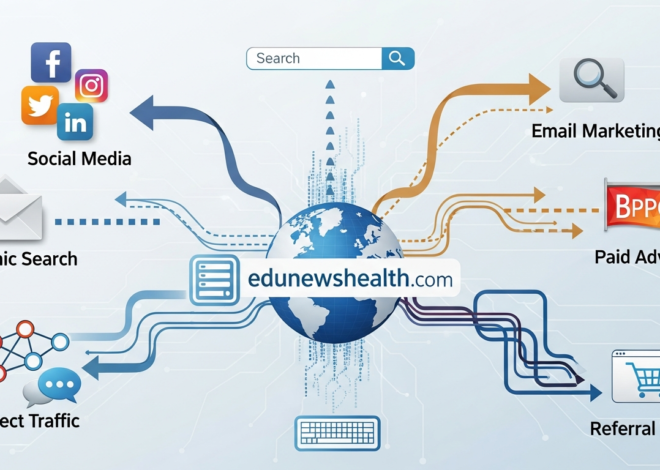
Establishing and expanding a blog’s audience is a fundamental aspect of driving success in the blogging world. A blog without an audience is like a store without customers; thus, it is crucial to implement effective strategies to attract and retain readers. One of the key elements to consider is Search Engine Optimization (SEO). By optimizing content for relevant keywords and phrases, bloggers can enhance their visibility on search engines, making it easier for potential readers to find their blogs. Employing SEO best practices involves conducting keyword research, optimizing meta tags, and ensuring that the site’s structure is user-friendly.
Moreover, leveraging social media platforms is essential for promoting blog content and engaging with a broader audience. By sharing blog posts on platforms like Facebook, Twitter, and Instagram, bloggers can reach new readers and spark conversations around their content. It is beneficial to create compelling visuals and captions that encourage users to click through and explore the blog further. Social media also provides an excellent opportunity to build a community by interacting with followers and responding to comments.
In addition to social media, implementing an email marketing strategy allows bloggers to cultivate a loyal readership. By offering subscribers exclusive content, freebies, or regular updates, bloggers can foster a sense of belonging among their audience. Creating valuable content that resonates with the target audience is crucial for retention. Engaging with the blogging community, through comments or collaborative posts, can also help build relationships and increase readership.
Furthermore, it is important to remember that consistency in posting and maintaining a professional appearance can build credibility and trust. Over time, fostering a loyal community can lead to increased monetization opportunities, as an engaged readership is more likely to support products or services offered by the blog. Therefore, bloggers should focus on these strategies as they work towards establishing a strong online presence and growing their readership.