
The Ultimate SEO Checklist for On-Page SEO in 2026: Harnessing the Power of Optimization
Understanding On-Page SEO: An Overview
On-page SEO Checklist refers to the practice of optimizing individual web pages to improve their search engine rankings and drive traffic. This technique plays a crucial role in the broader domain of search engine optimization (SEO), which encompasses both on-page and off-page strategies. The primary goal of on-page SEO is to enhance the visibility of a website in search results, thereby attracting more organic visitors.
The significance of on-page SEO lies in its ability to influence how search engines interpret the content of a webpage. Elements such as title tags, meta descriptions, headers, and keyword usage all contribute to the search engine’s understanding of a webpage’s subject matter. This understanding directly affects the ranking position on search engine result pages (SERPs), making effective on-page optimization vital for online success. Moreover, well-optimized pages provide an improved user experience, ensuring visitors find relevant information with ease.
It is essential to distinguish between on-page and off-page SEO, as both serve different purposes in a comprehensive SEO strategy. While on-page SEO focuses on optimizing a website’s internal elements, off-page SEO pertains to external factors, such as backlinks, social media engagement, and overall online reputation. A well-rounded SEO approach must incorporate both components for optimal results.
As we move into 2026, possessing a thorough checklist for on-page SEO becomes increasingly important. Changes in search engine algorithms and user behavior require webmasters to continually adjust their strategies. A detailed checklist assists in systematically applying best practices across all pages, ensuring adherence to the latest SEO standards. By maintaining a strong focus on on-page optimization, businesses can better position themselves in an ever-competitive digital landscape.
Key Elements of the On-Page SEO Checklist for 2026
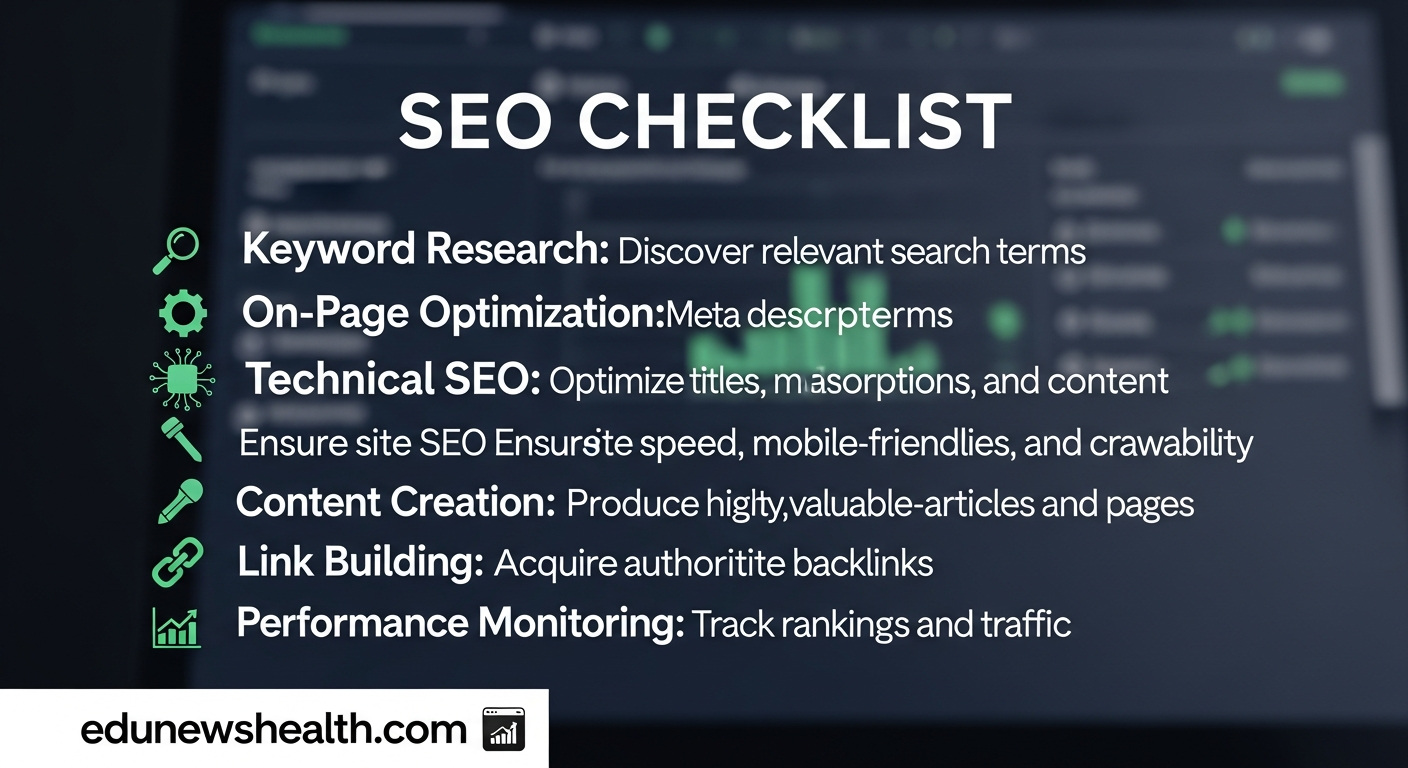
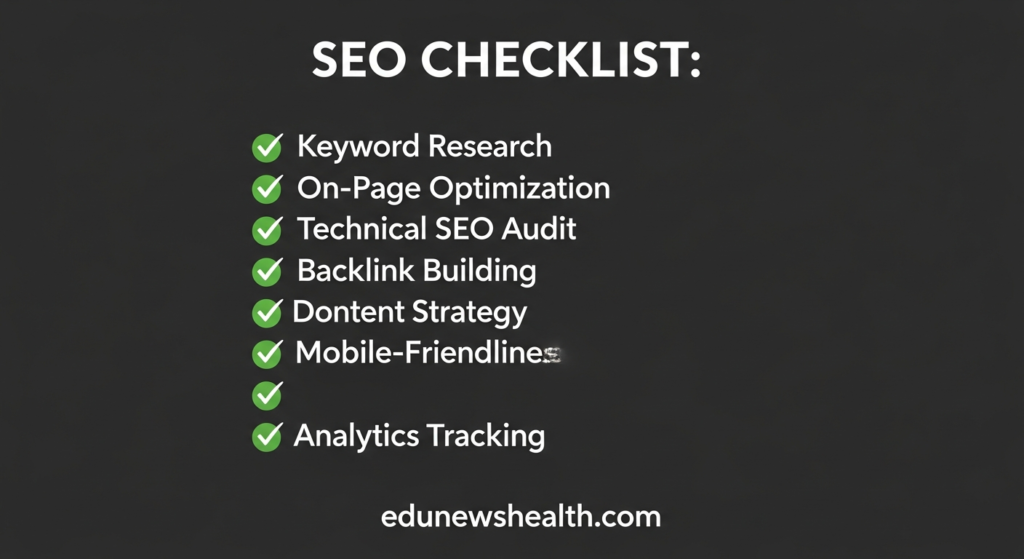
As digital landscapes continue to evolve, an effective on-page SEO checklist is fundamental in ensuring that websites remain competitive in search engine rankings. The following key elements are critical for optimizing web pages in 2026.
Keyword Optimization: In the context of on-page SEO, keyword optimization remains a cornerstone of successful content strategies. Utilizing relevant keywords throughout the content, including primary and long-tail variations, helps search engines understand the page’s relevance to user queries. Natural integration of keywords ensures that the content remains engaging while meeting search intent.
Meta Tags: Meta tags, specifically the title and description, are crucial for enticing users to click on links in search engine results. In 2026, crafting compelling and concise titles along with descriptions that incorporate target keywords will enhance visibility and click-through rates. Search engines give prominence to those tags, making their optimization vital for enhanced performance.
Header Tags: Proper use of header tags (H1, H2, H3, etc.) is essential for both readability and SEO. These tags not only assist in organizing content structurally but also signal to search engines the importance of different sections. Utilizing header tags effectively enables users to navigate the content easily and improves the overall user experience.
Content Quality and Length: In 2026, quality content is indispensable. It is imperative to create informative, entertaining, and well-researched articles that fulfill user intent. This involves producing content of adequate length, generally ranging between 1,500 to 2,500 words, which addresses the audience’s questions comprehensively.
Internal Linking: Internal linking supports on-page SEO by establishing connections between related content on a website. This strategy not only enhances user navigation but also distributes page authority throughout the site, aiding in improved rankings for less optimized pages.
Image Optimization: With the continuing rise of visual content, optimizing images through alt tags, file names, and size is crucial. This not only supports accessibility but also improves on-page SEO, as search engines also index images, contributing to overall page relevancy.
Mobile-Friendliness: Since the majority of users access the internet through mobile devices, ensuring that websites are mobile-friendly is non-negotiable. Responsive designs, fast loading times, and easy navigation are necessary components for satisfying user expectations and enhancing rankings.
In conclusion, the integration of these elements into the on-page SEO checklist for 2026 is essential for maximizing searchability and enhancing user engagement, thereby contributing to a successful digital presence.
Tools and Resources for On-Page SEO Optimization
To successfully enhance on-page SEO strategies in 2026, leveraging the right tools and resources is imperative. A combination of both free and premium tools provides an effective arsenal for optimizing website content for search engines and improving user experience.
One key tool in the arsenal of on-page SEO is Google Search Console. This free resource offers invaluable insights into how your pages perform in search results, including indexing status, traffic data, and potential issues affecting page visibility. By regularly monitoring the health of your website through this tool, you can refine your SEO checklist based on real-time data.
Another popular tool is Yoast SEO, particularly for WordPress users. This plugin simplifies content optimization by providing real-time analysis and recommendations on readability and keyword density. With its user-friendly interface, Yoast enables content creators to effectively implement SEO best practices directly within their writing processes.
For those looking for a more comprehensive analysis, Ahrefs and SEMrush stand out as premium options. Ahrefs offers advanced features such as competitive analysis, backlink tracking, and keyword research, making it indispensable for those keen on tracking their SEO performance against industry standards. Similarly, SEMrush provides tools for auditing websites, analyzing competitors, and optimizing ad campaigns, thus equipping marketers with insights that go beyond on-page SEO.
As the SEO landscape continues to evolve, it is critical for marketers to regularly update and utilize these resources. By incorporating a range of tools into their workflows, they can enhance their on-page SEO checklist, ensuring their websites remain competitive and optimized for search engines.
Best Practices and Future Trends in On-Page SEO
As we look towards the future of online visibility, maintaining best practices in on-page SEO remains pivotal for anyone aiming to enhance their digital presence. One essential practice is the creation of high-quality, relevant content that aligns with user intent. It is crucial to incorporate target keywords naturally throughout the content while ensuring that it reads smoothly and provides value to the reader. For instance, a case study involving a travel website demonstrated that regularly updated content significantly improved organic traffic. This website increased its ranking by focusing on user-driven questions and creating comprehensive guides addressing them.
Another significant trend in on-page SEO is optimization for voice search. As more users utilize digital assistants, optimizing content to accommodate natural language queries becomes essential. This entails using conversational keywords and providing clear, concise answers to likely search inquiries. Companies that have begun optimizing for voice search have reported improved visibility, capturing a growing segment of voice-enabled search traffic.
Additionally, user experience (UX) plays an increasingly critical role in search engine rankings. Factors such as page load speed, mobile-friendliness, and intuitive navigation are pivotal in creating an effective on-page SEO strategy. Websites with exceptional UX tend to have lower bounce rates and higher engagement, further enhancing their ranking potential. For example, an e-commerce platform that redesigned its site navigation based on user feedback experienced a substantial uptick in conversion rates.
Looking ahead, the integration of AI-driven content creation tools is poised to revolutionize on-page SEO strategies. These technologies can analyze user behavior and preferences, generating tailored content that meets the audience’s needs. By leveraging these innovations in SEO, marketers can stay competitive in the rapidly evolving landscape of 2026.