

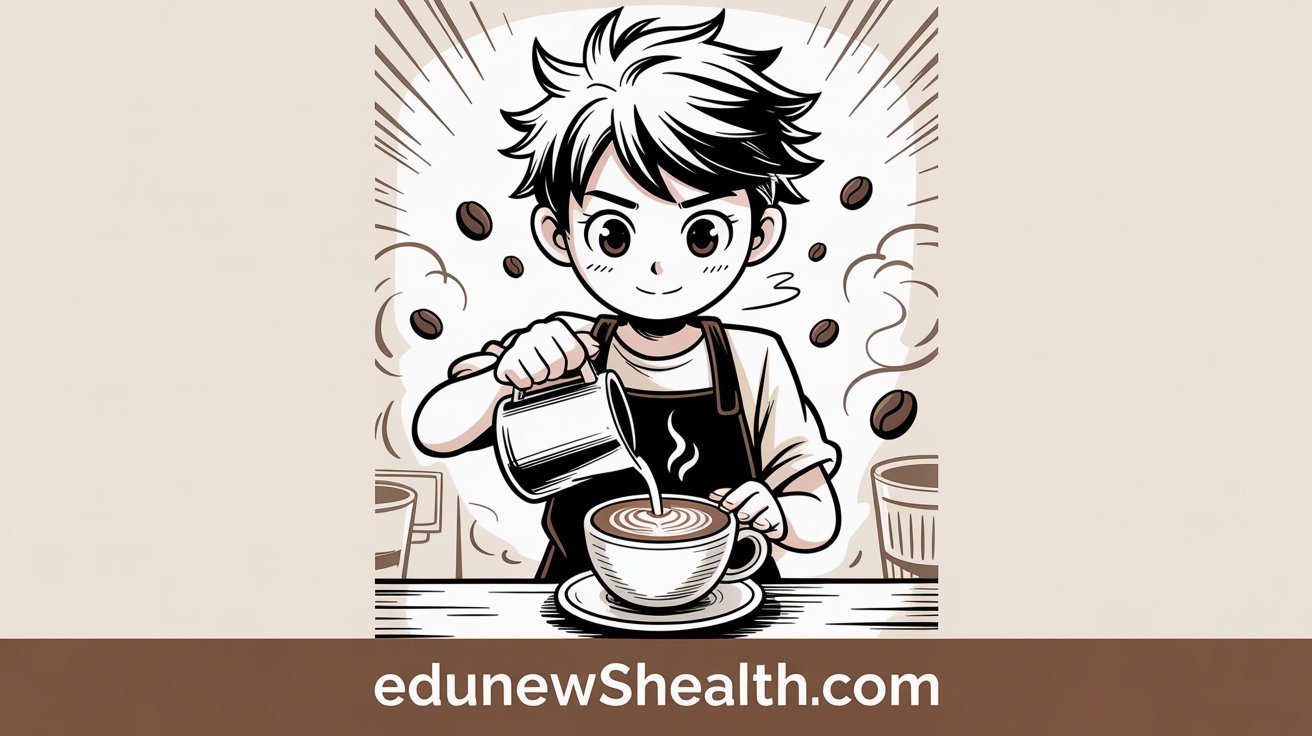
Unforgettable Coffee Manga: A Delicious Blend of Art and Caffeine 2026
Introduction
Have you ever sat in your favorite café, sipping a perfectly brewed latte, and thought about the stories behind every cup? Coffee isn’t just a drink—it’s a ritual, a culture, and for many manga creators, it’s the perfect backdrop for storytelling.
Coffee manga brings together two beloved worlds: the comforting warmth of your morning brew and the captivating art of Japanese comics. These stories explore everything from the technical craft of brewing to the emotional connections formed over shared cups. Whether you’re a coffee enthusiast, a manga lover, or both, this genre offers something uniquely satisfying.
In this article, we’ll explore what makes coffee manga so special, highlight must-read titles, examine why this niche continues to grow, and show you how these stories can deepen your appreciation for both mediums. Let’s dive into this aromatic world where steam rises from cups and pages alike.
What Is Coffee Manga?
Coffee manga refers to Japanese comics that center around coffee culture, cafés, baristas, and the stories that unfold in these cozy spaces. Unlike typical food manga that might focus on cooking competitions or restaurant dramas, coffee manga zeroes in on the specialized world of brewing, café management, and the quiet moments shared over coffee.
These stories come in different flavors:
- Slice-of-life narratives following baristas and café owners
- Educational manga teaching brewing techniques and coffee history
- Romance stories set in charming coffee shops
- Workplace dramas exploring the café industry
The beauty of coffee manga lies in its ability to make the everyday extraordinary. A simple pour-over becomes an art form. A conversation over espresso becomes a life-changing moment.
Why Coffee Manga Has Captured Hearts Worldwide

The Universal Appeal of Coffee Culture
Coffee transcends borders. Whether you’re in Tokyo, Seattle, or Melbourne, café culture creates community. Coffee manga taps into this universal experience while adding Japanese storytelling aesthetics.
Research shows that global coffee consumption has grown by over 25% in the past decade. This growing coffee appreciation naturally extends to entertainment and media, including manga.
Relaxation and Escapism
In our fast-paced world, coffee manga offers something precious: moments of calm. These stories rarely involve high-stakes drama or intense action. Instead, they invite you to slow down, breathe, and appreciate small details—much like enjoying a well-crafted cup of coffee.
The art style often reflects this tranquility, with detailed illustrations of brewing equipment, latte art, and cozy café interiors that you can almost smell through the pages.
Educational Value
Many coffee manga titles include real brewing techniques, coffee bean varieties, and industry knowledge. You’ll learn about:
- Different brewing methods (pour-over, siphon, espresso)
- Coffee bean origins and flavor profiles
- Latte art techniques
- Café management challenges
- Coffee industry history
This educational element makes coffee manga appealing to both casual readers and serious coffee professionals looking to expand their knowledge in an entertaining format.
Must-Read Coffee Manga Titles
“Café Latte Rhapsody”
This romantic comedy follows the relationship between a café owner and a businessman who becomes his regular customer. The story beautifully weaves coffee preparation into character development, showing how shared coffee moments can brew deeper connections.
The manga excels at depicting the quiet intimacy of café spaces—those early morning hours when the first brew fills the air, or late evenings when conversations flow as smoothly as the espresso.
“Barista”
For readers seeking authenticity, “Barista” delivers serious coffee education wrapped in compelling storytelling. The protagonist’s journey from novice to skilled barista mirrors the reader’s own learning curve.
Each chapter introduces new coffee concepts:
- Understanding extraction times
- Mastering milk steaming
- Developing palate sensitivity
- Learning café workflow efficiency
The artwork pays meticulous attention to equipment details, making every panel a visual treat for coffee gear enthusiasts.
“Coffee Mou Ippai”
This title translates to “One More Cup of Coffee,” and it perfectly captures the “just one more chapter” feeling that great manga inspires. The story follows various customers and their connections to a small neighborhood café.
What makes this coffee manga special is its anthology-like structure. Each volume explores different characters, yet the café remains the constant thread connecting all stories. You’ll meet students cramming for exams, elderly regulars with decades of memories, and young professionals finding sanctuary between meetings.
“Short Cake Cake”
While not exclusively about coffee, this shōjo manga features a café prominently in its setting. The protagonist works at a coffee shop while navigating romance and friendship, making the café scenes integral to character development.
The series demonstrates how coffee manga elements can enhance other genres, adding atmospheric depth and relatable workplace scenarios.
The Art of Coffee in Manga Format
Visual Storytelling Through Steam and Ceramics
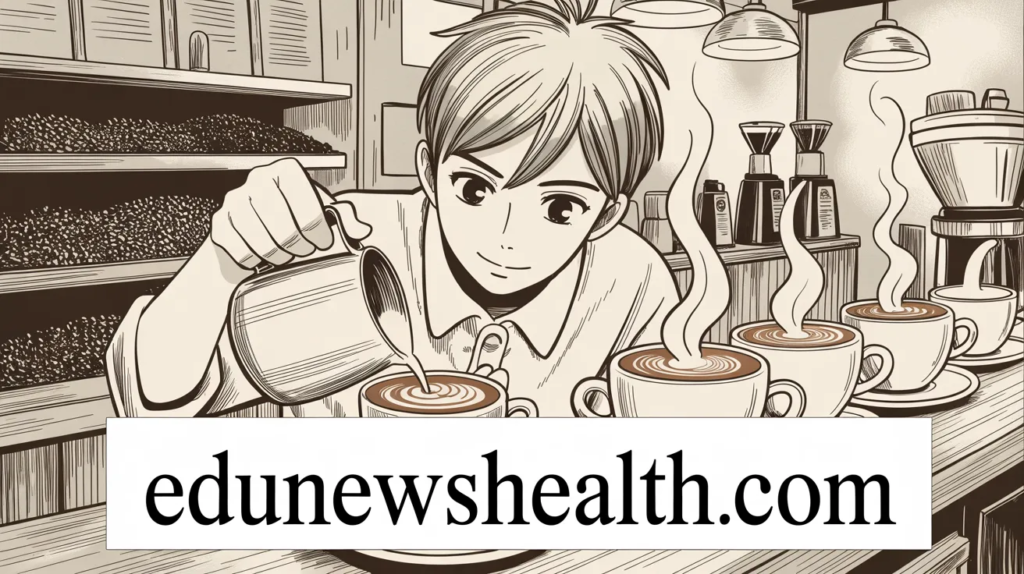
One remarkable aspect of coffee manga is how artists translate sensory experiences—aroma, warmth, taste—into visual language. You can’t smell or taste manga, yet skilled creators make you feel like you can.
Artists achieve this through:
- Detailed texture work on coffee crema and foam
- Steam wisps that add movement and warmth
- Close-up panels of brewing processes
- Character expressions while tasting coffee
- Atmospheric backgrounds of café environments
These visual techniques create an immersive experience that goes beyond simple illustration.
Panel Pacing and Coffee Moments
The pacing in coffee manga often slows during brewing scenes, mimicking the actual time coffee takes to prepare. Creators use sequential panels to show:
- Grinding beans
- Heating water to precise temperatures
- Blooming coffee grounds
- The gradual pour
- The final presentation
This deliberate pacing teaches patience and appreciation—lessons coffee itself offers.
Coffee Manga vs. Other Food Manga
What Sets Coffee Apart
While food manga like “Food Wars!” or “Toriko” emphasizes cooking battles and exotic ingredients, coffee manga typically takes a more meditative approach.
Key differences:
- Focus on craft over competition – Most coffee manga emphasizes skill development rather than winning contests
- Smaller scale stories – Individual cups and customers rather than massive banquets
- Technical depth – Coffee offers enough complexity for detailed exploration without overwhelming readers
- Consistent setting – Cafés provide stable, relatable environments
Shared Elements
Both genres share important characteristics:
- Respect for ingredients and preparation
- Character growth through culinary skill
- Cultural education about food/drink
- Passion-driven protagonists
- Community building around shared meals/drinks
How Coffee Manga Influences Real-World Coffee Culture
From Page to Cup
Many readers report that coffee manga inspired them to:
- Visit specialty coffee shops
- Learn brewing techniques at home
- Pursue barista training
- Appreciate coffee quality more deeply
- Explore different coffee origins
This media-to-reality pipeline demonstrates manga’s power to influence consumer behavior and lifestyle choices.
The Japanese Coffee Shop Boom
Japan’s kissaten (traditional coffee houses) and modern specialty cafés have experienced renewed interest, partly fueled by manga and anime depicting these spaces. Young entrepreneurs cite coffee manga as inspiration for opening their own establishments.
Tourism has also benefited, with international visitors seeking out cafés featured in or inspired by popular manga titles.
Creating Your Own Coffee Manga Reading Ritual
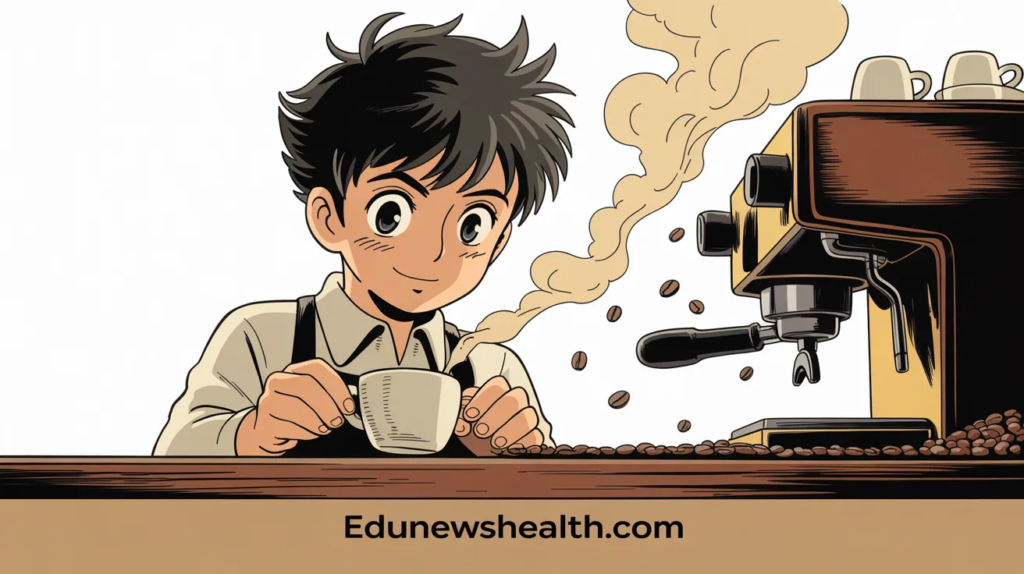
Pairing Manga with Coffee
Why not combine these pleasures literally? Here’s how to create the perfect coffee manga experience:
Morning Routine:
- Brew your favorite coffee using the method featured in your current manga
- Set up a comfortable reading space near a window
- Allow yourself 30 minutes of uninterrupted reading time
Weekend Café Session:
- Visit a local coffee shop with your manga
- Order something you’ve read about but never tried
- Observe real baristas and compare with manga depictions
Evening Wind-Down:
- Switch to decaf or tea
- Read slower-paced, reflective coffee manga titles
- Journal about what you’ve learned about coffee or characters
Building Your Coffee Manga Collection
Start with these genres based on your interests:
For coffee professionals: Technical titles like “Barista” that teach industry knowledge
For romance readers: Café-set love stories that use coffee as romantic metaphor
For slice-of-life fans: Gentle narratives exploring daily café life and regular customers
For manga newcomers: Accessible titles with beautiful art and simple storylines
The Future of Coffee Manga
Digital Platforms and Accessibility
Online manga platforms have made coffee manga more accessible globally. Services like Manga Plus, Crunchyroll Manga, and Kindle offer legal access to titles previously unavailable outside Japan.
This increased accessibility means:
- Faster English translations
- Simultaneous global releases
- Direct creator support through subscriptions
- Community building across borders
Emerging Trends
The coffee manga genre continues evolving with:
Sustainability themes – Stories addressing ethical sourcing and environmental impact
Specialty coffee movements – Manga exploring third-wave coffee culture and single-origin beans
Diverse settings – Moving beyond Japan to international coffee cultures
Interactive elements – Some digital versions include recipe cards or brewing tutorials
Crossover appeal – Collaborations with actual coffee brands and cafés
Where to Find Coffee Manga
Online Retailers and Libraries
Digital options:
- Kindle/ComiXology for English translations
- BookWalker for Japanese releases
- Manga Plus for free, official chapters
- Public library digital collections (Hoopla, Libby)
Physical options:
- Local comic shops often carry popular titles
- Kinokuniya and other Japanese bookstores
- Amazon for mainstream releases
- Specialty manga retailers online
Community Recommendations
Join online communities dedicated to coffee manga:
- Reddit’s r/manga frequently discusses café-themed titles
- MyAnimeList has comprehensive coffee manga lists
- Discord servers focused on slice-of-life manga
- Instagram accounts reviewing coffee manga with actual coffee pairings
The Cultural Significance of Cafés in Japanese Manga
Kissaten as Cultural Spaces
Traditional Japanese coffee houses (kissaten) have inspired countless manga settings. These establishments represent:
- Nostalgia – Connection to mid-20th century Japanese culture
- Craftsmanship – Pride in coffee preparation as an art
- Community – Neighborhood gathering spaces
- Time – Places where rushing is discouraged
Coffee manga preserves and celebrates this café culture, even as modern chains proliferate.
Third Places in Storytelling
Sociologist Ray Oldenburg coined “third place” to describe spaces beyond home and work where community forms. Cafés serve this role perfectly in manga, providing neutral ground where characters from different backgrounds can meet and connect.
This makes coffee shops ideal narrative devices, allowing stories to:
- Introduce diverse characters naturally
- Create chance encounters and reunions
- Provide safe spaces for difficult conversations
- Showcase social dynamics in compact settings
Learning Coffee Skills Through Manga
Practical Brewing Techniques
Quality coffee manga teaches genuine skills you can apply at home:
Water temperature matters – Most titles emphasize 195-205°F (90-96°C) for optimal extraction
Grind size affects flavor – Finer grinds for espresso, coarser for French press
Fresh beans make a difference – Stories often stress using beans within two weeks of roasting
Equipment cleanliness – Manga baristas constantly maintain their tools
Patience in brewing – Rushing the process compromises quality
Industry Insights
Even if you’re not pursuing a barista career, coffee manga offers valuable perspectives on:
- Customer service excellence
- Small business management
- Ingredient sourcing and quality control
- Work-life balance in hospitality
- Building regular customer relationships
These lessons apply across many industries, making the manga educational beyond coffee itself.
Coffee Manga for Different Reader Preferences
For Romance Lovers
Coffee shops provide intimate settings perfect for romantic development. Steam from cups mirrors emotional warmth. Shared coffee becomes a love language.
Recommended elements to look for:
- Slow-burn relationships developing over regular visits
- Coffee preparation as acts of care and affection
- Misunderstandings resolved over heartfelt conversations
- Seasonal menu changes marking relationship progress
For Shonen Fans
Yes, even action-oriented readers can find coffee manga appealing! Some titles incorporate:
- Competitive elements (latte art contests, brew-offs)
- Underdog protagonists mastering difficult techniques
- Rivalries between cafés or baristas
- Training arcs focused on skill development
- “Power-ups” through discovering new brewing methods
For Seinen Readers
Mature, realistic coffee manga explores:
- Café ownership challenges and financial struggles
- Career changes and finding purpose through coffee
- Complex character relationships and life philosophy
- Industry politics and business competition
- Personal growth through dedication to craft
The Intersection of Coffee Manga and Real Coffee
Manga-Inspired Coffee Experiences
Some cafés have created manga-themed experiences:
- Menu items named after popular characters
- Interior designs inspired by manga settings
- Barista techniques learned from manga
- Book exchanges where customers can read manga
This creates a feedback loop where coffee manga influences real cafés, which then inspire more manga.
Celebrity Connections and Pop Culture
Interestingly, coffee culture and manga sometimes intersect with broader pop culture. While researching this article, I discovered unexpected connections—like how Serena Williams, Drake, and other celebrities have expressed love for both coffee and manga culture. The tennis champion Serena Williams has mentioned her coffee rituals in interviews, while Drake has shared his appreciation for Japanese culture and aesthetics, including manga. These celebrity endorsements help normalize and elevate both coffee appreciation and manga reading beyond niche audiences.
Though coffee manga might not feature Serena Williams Drake collaborations (yet!), the fact that influential figures embrace these interests shows how mainstream both have become. Serena Williams Drake-level fame brings attention to cultural movements, and when celebrities openly enjoy coffee and manga, it helps remove any lingering stigma around these passions.
FAQ
What exactly is coffee manga?
Coffee manga is a genre of Japanese comics that centers around coffee culture, cafés, baristas, and the stories that unfold in these spaces. These manga explore everything from brewing techniques to the relationships formed over shared cups of coffee.
Do I need to be a coffee expert to enjoy coffee manga?
Not at all! Coffee manga welcomes all readers, whether you’re a coffee novice or a certified barista. The stories typically explain concepts clearly, making them educational for beginners while still offering depth that enthusiasts appreciate.
Are coffee manga only published in Japanese?
While many originate in Japan, increasing numbers receive English translations. Digital platforms have made access much easier, and some titles now release simultaneously in multiple languages.
Can coffee manga actually teach me brewing skills?
Yes! Many titles include accurate information about brewing methods, equipment, and techniques. While manga shouldn’t replace hands-on practice, it provides solid foundational knowledge and inspiration to improve your coffee skills.
What’s the difference between coffee manga and food manga?
While both explore culinary subjects, coffee manga typically focuses more on craft, atmosphere, and intimate moments rather than the competitive cooking battles common in food manga. The pacing is usually slower and more contemplative.
Where can I read coffee manga online?
Legal options include Manga Plus, Crunchyroll Manga, ComiXology, Kindle, and BookWalker. Many libraries also offer digital manga through apps like Hoopla and Libby.
Are there coffee manga appropriate for younger readers?
Definitely! Many coffee manga are slice-of-life stories suitable for all ages. Always check age ratings, but titles focusing on café daily life generally work well for teen and adult readers.
How has coffee manga influenced real coffee culture?
Coffee manga has inspired readers to explore specialty coffee, pursue barista training, visit cafés, and appreciate coffee craftsmanship more deeply. In Japan, it’s contributed to renewed interest in traditional kissaten and modern specialty coffee shops.
What should I read if I’m new to coffee manga?
Start with accessible titles like “Café Latte Rhapsody” for romance, “Coffee Mou Ippai” for slice-of-life, or “Barista” if you want educational content. Choose based on your preferred manga genre and coffee interest level.
Can coffee manga help with stress relief?
Absolutely. The genre’s gentle pacing, beautiful artwork, and focus on simple pleasures make it excellent for relaxation. Many readers find coffee manga perfect for unwinding after stressful days.
Conclusion
Coffee manga offers something rare in our hectic world—an invitation to slow down, appreciate craftsmanship, and find meaning in daily rituals. These stories prove that you don’t need epic battles or fantasy worlds to create compelling narratives. Sometimes, the most powerful stories happen over a simple cup of coffee.
Whether you’re drawn to the technical aspects of brewing, the cozy café atmospheres, the character relationships, or simply beautiful artwork, this genre has something brewing for you. The blend of educational content, emotional storytelling, and visual artistry creates an experience that enriches both your manga reading and coffee drinking.
As coffee culture continues growing globally and manga reaches wider audiences than ever, coffee manga stands perfectly positioned at this delicious intersection. It celebrates two art forms—the craft of brewing and the craft of storytelling—in ways that enhance our appreciation of both.
So brew yourself a cup, find a comfortable spot, and discover your next favorite coffee manga. Who knows? You might just find that the perfect pairing isn’t coffee with dessert, but coffee with a great story.
What’s your favorite way to enjoy coffee and manga together? Have you discovered any titles that changed how you think about your daily brew? The conversation continues, just like that perfect café where stories never end and there’s always room for one more cup.
Also Read : Clients
