
The Ultimate Exercise Bike Guide: Transform Your Fitness Today 2026
Introduction
Let’s be real — finding a workout routine you’ll actually stick with is harder than it sounds. You start strong, then life gets busy, the gym feels far, and suddenly your motivation disappears. That’s exactly where an exercise bike changes the game. It’s one of the most accessible, low-impact, and genuinely effective pieces of fitness equipment you can use. Whether you’re a complete beginner or a seasoned athlete, an exercise bike fits into your life without demanding too much from your joints or your schedule.
In this guide, you’ll get a full breakdown of everything you need to know about the exercise bike — the different types available, the real health benefits, how to pick the right one, and workouts that actually work. By the time you finish reading, you’ll know exactly what kind of exercise bike suits your goals and how to make the most of every pedal stroke.
What Is an Exercise Bike and Why Does It Matter?
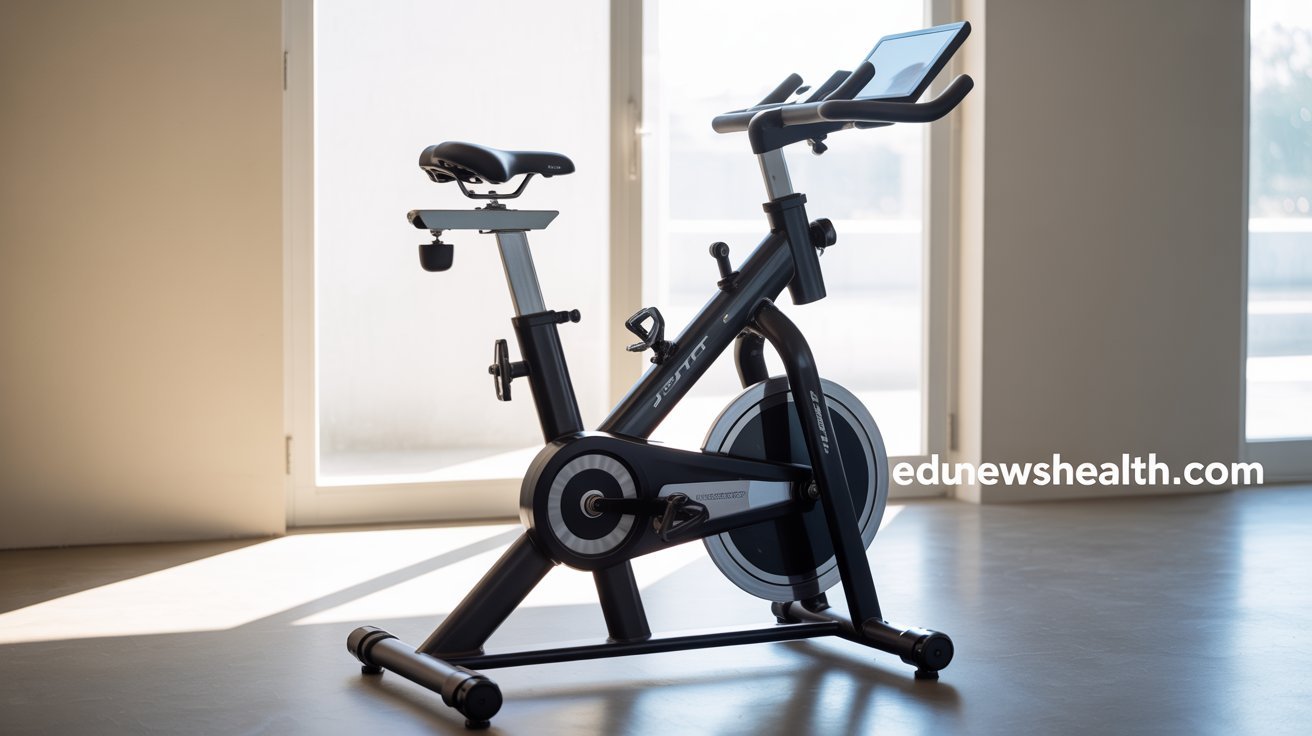
An exercise bike is a stationary fitness machine that mimics the motion of cycling. You pedal, you sweat, and you build cardiovascular endurance — all without leaving your home or stepping outside in the rain. The exercise bike has been a staple in gyms and homes for decades, and for good reason.
According to the American Heart Association, adults need at least 150 minutes of moderate-intensity aerobic activity per week. An exercise bike makes hitting that target surprisingly doable. You can ride while watching TV, listening to a podcast, or even reading. That convenience alone is a massive win.
What really sets the exercise bike apart is its versatility. It works for recovery rides, intense interval training, weight loss sessions, and everything in between. And because it’s low-impact, it’s gentle on your knees, hips, and ankles.
Types of Exercise Bikes: Which One Is Right for You?
Not all exercise bikes are built the same. Before you buy or use one, it helps to understand the main types and what they’re designed for.
Upright Exercise Bike
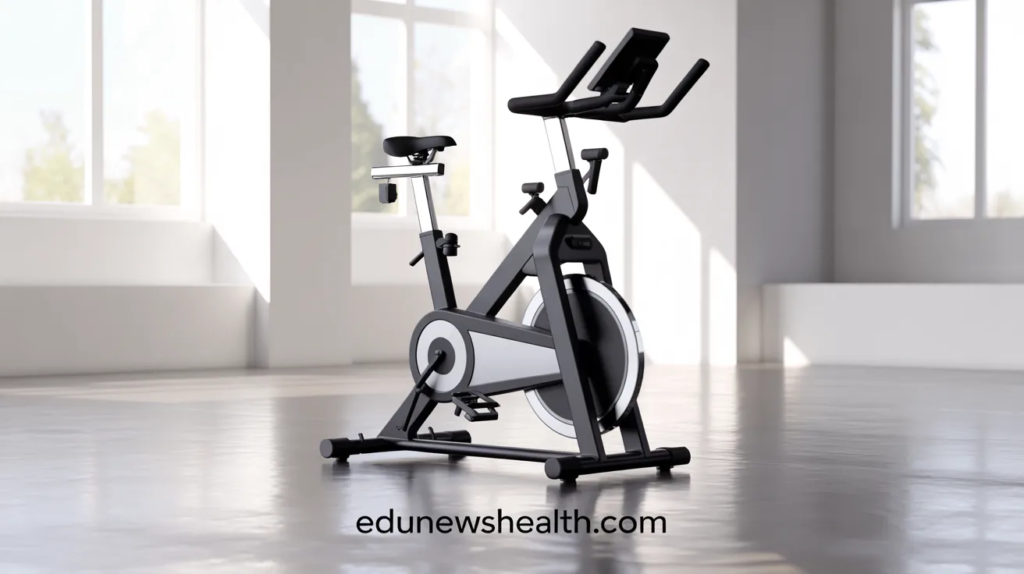
This is the classic design — the one most people picture. You sit upright, and your body position is similar to riding a regular outdoor bike. Upright bikes engage your core, glutes, and legs more actively. They’re great for general fitness and cardio workouts.
If you want a more traditional cycling feel with a compact footprint, the upright exercise bike is a solid choice. Most models are affordable and easy to use right out of the box.
Recumbent Exercise Bike
A recumbent bike lets you sit back in a reclined position with your legs extended in front of you. This design puts less stress on your lower back and joints. It’s especially popular among older adults, people recovering from injuries, or anyone dealing with chronic back pain.
The recumbent exercise bike is not “easier” — it still gives you a solid cardio session. The difference is comfort and support, not effort.
Spin Bike (Indoor Cycling Bike)
A spin bike is built for intensity. It has a heavy flywheel, a more aggressive riding position, and resistance that closely mimics road cycling. Spin bikes are used in group cycling classes and by athletes who want a serious workout.
If you’re into high-intensity interval training (HIIT) or you’re training for an outdoor cycling event, a spin bike is the exercise bike for you. Just know that the riding position can take some getting used to, especially if you’re new to cycling.
Air Bike (Fan Bike)
The air bike uses a large fan as resistance. The harder you pedal — and push and pull the handlebars — the more resistance you feel. It’s a full-body exercise bike that challenges both your upper and lower body at the same time.
Air bikes are intense. They’re commonly used in CrossFit and functional fitness workouts. A 10-minute all-out session on an air bike will leave you completely breathless.
Top Health Benefits of Using an Exercise Bike
Here’s where things get exciting. The exercise bike isn’t just convenient — it’s backed by real health science.
Burns Calories and Supports Weight Loss
A 155-pound person can burn approximately 260 calories in 30 minutes of moderate cycling on a stationary bike. Push the intensity, and that number climbs significantly. Regular sessions on an exercise bike create a calorie deficit, which is the foundation of weight loss.
The key is consistency. Even 20 to 30 minutes a day, five days a week, adds up to meaningful results over time.
Strengthens Your Heart and Lungs
Cycling is an aerobic exercise, which means it trains your cardiovascular system. Regular use of an exercise bike lowers resting heart rate, reduces blood pressure, and improves lung capacity. Studies show that consistent aerobic activity reduces the risk of heart disease by up to 35%.
Your heart is a muscle. The exercise bike helps you train it.
Builds Lower Body Strength
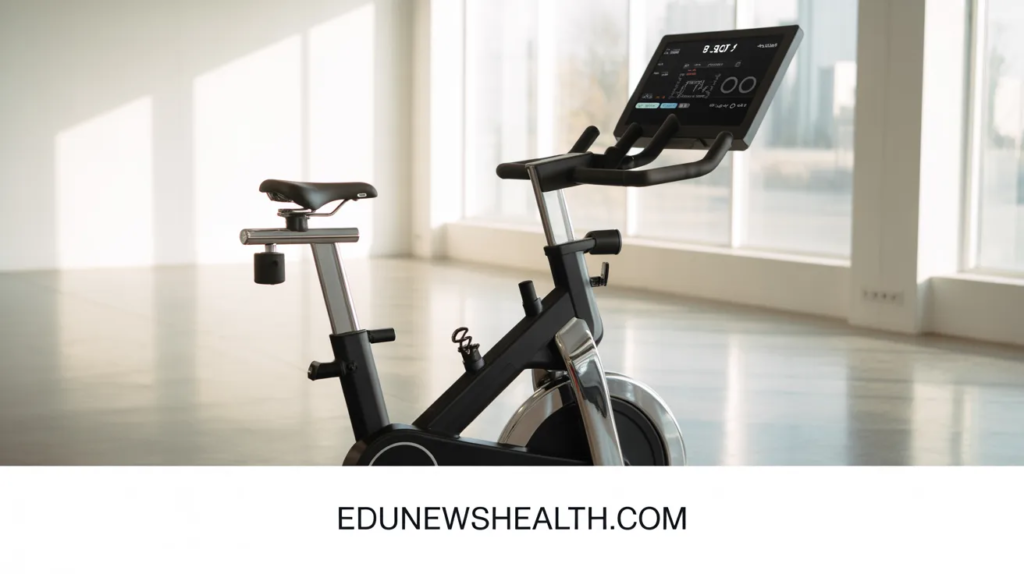
Every pedal stroke works your quadriceps, hamstrings, glutes, and calves. Over time, regular cycling builds real muscle strength and endurance in your lower body. While it’s not a replacement for weightlifting, the exercise bike adds functional leg strength that carries over into everyday movement.
Protects Your Joints
Unlike running, which places heavy impact forces on your knees and hips, cycling is nearly impact-free. This makes the exercise bike ideal for people with arthritis, joint pain, or those recovering from lower body injuries. Physical therapists frequently recommend it as part of rehabilitation programs.
Improves Mental Health
Exercise triggers the release of endorphins — your brain’s natural mood boosters. Studies consistently link regular cardio activity, including stationary cycling, with reduced symptoms of anxiety and depression. A 20-minute ride can shift your mood noticeably.
I personally find that a morning session on the exercise bike sets the tone for the whole day. There’s something about getting the blood moving before the world wakes up that just works.
How to Choose the Right Exercise Bike
Buying an exercise bike is an investment. Here’s what to look at before you commit.
Set Your Budget
Exercise bikes range from under $200 to well over $2,000. Basic upright bikes offer great value at the lower end. Premium spin bikes and smart bikes (like Peloton) sit at the top. Your budget should match your goals and how seriously you plan to use it.
A $300 bike used daily beats a $1,500 bike collecting dust.
Check the Weight Capacity
Every exercise bike has a maximum user weight limit. Always check this before buying. Exceeding the limit affects safety and durability.
Look at the Resistance System
There are three main resistance types:
- Friction resistance — a pad presses against the flywheel. Simple and affordable.
- Magnetic resistance — uses magnets for smooth, silent resistance. More durable and consistent.
- Air resistance — fan-based, self-regulating. Intense and used in air bikes.
Magnetic resistance is generally the best choice for home use — quiet, smooth, and low maintenance.
Consider the Display and Features
At minimum, you want a display that shows time, speed, distance, and calories burned. Higher-end models offer heart rate monitoring, workout programs, Bluetooth connectivity, and compatibility with apps like Zwift or Peloton.
Smart features are nice, but they’re not essential. Focus on build quality and comfort first.
Evaluate the Seat and Handlebar Adjustability
A comfortable exercise bike is one you’ll actually use. Look for adjustable seat height and handlebar position. Your knee should have a slight bend at the bottom of each pedal stroke. Poor bike fit leads to discomfort and can even cause injury.
Exercise Bike Workouts for Every Fitness Level
Having the right bike is only half the equation. How you use it matters just as much.
Beginner: Steady-State Ride
- Duration: 20–30 minutes
- Resistance: Low to moderate
- Pace: Comfortable, conversational
- Goal: Build aerobic base and habit formation
Start with three sessions per week. Focus on consistency over intensity. As your fitness improves, gradually increase time and resistance.
Intermediate: Interval Training
- Duration: 30 minutes
- Structure: 2 minutes moderate pace, 1 minute hard sprint — repeat 8–10 times
- Goal: Improve cardiovascular fitness and burn more calories
Interval training on an exercise bike is one of the most time-efficient workouts you can do. You get more results in less time compared to steady-state cardio.
Advanced: HIIT Cycling
- Duration: 20–25 minutes
- Structure: 20 seconds all-out effort, 10 seconds rest (Tabata protocol) — repeat for 8 rounds per set
- Goal: Maximum calorie burn, cardiovascular conditioning, metabolic boost
HIIT cycling is brutal, but effective. Research shows it can burn up to 25–30% more calories than traditional steady-state cardio in the same amount of time.
Active Recovery Ride
- Duration: 15–20 minutes
- Resistance: Very low
- Pace: Slow and easy
- Goal: Flush out muscle soreness, maintain blood flow
Use this workout on rest days or after a heavy leg day at the gym. It promotes recovery without adding stress to your body.
Common Mistakes to Avoid on an Exercise Bike
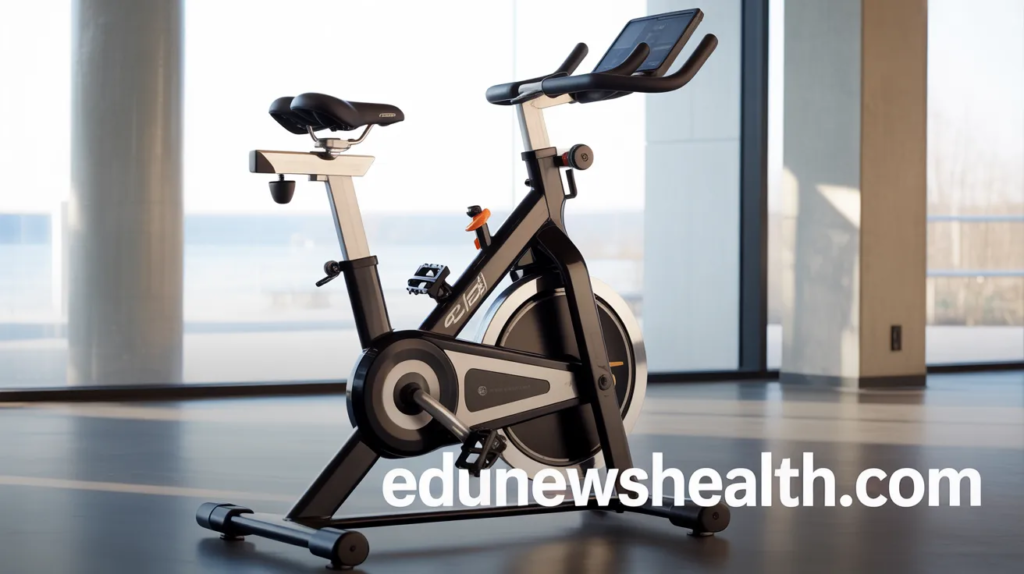
Even a simple machine like the exercise bike can be misused. Here are the most common errors people make.
Wrong seat height. If your seat is too low, you’ll put unnecessary stress on your knees. Too high, and you’ll rock your hips with every stroke. Adjust until there’s a slight bend in your knee at the lowest point of the pedal.
Gripping the handlebars too tight. Your hands should rest lightly on the bars. White-knuckling it wastes energy and leads to shoulder and neck tension.
Always riding at the same intensity. Your body adapts quickly. Mix up your workouts with different intensities and durations to keep seeing progress.
Ignoring hydration. Even though you’re stationary, you sweat. Keep water nearby and sip throughout your ride.
Slouching through the ride. Maintain an engaged core and a neutral spine. Poor posture leads to back pain and reduces workout efficiency.
Exercise Bike vs. Treadmill: Which Is Better?
This is one of the most common questions in fitness circles. The honest answer is — it depends on your goals and your body.
The treadmill burns slightly more calories on average because walking and running are weight-bearing activities. However, the exercise bike wins on joint safety, accessibility for beginners, and versatility for people with injuries.
If you have knee issues, back pain, or are overweight, the exercise bike is the smarter starting point. Once your fitness improves and your body is ready, you can add treadmill work if you want.
Both machines are excellent for cardiovascular health. Many people keep both at home or alternate between the two at the gym.
How Often Should You Use an Exercise Bike?
For general health and fitness, aim for three to five sessions per week. Each session should last between 20 and 60 minutes depending on your intensity level.
For weight loss, consistency is more important than duration. Five 25-minute sessions per week will outperform two 60-minute sessions in the long run because you’re building a habit and keeping your metabolism active more often.
Rest days matter too. Give your body at least one or two full rest days per week to recover and rebuild.
Conclusion
The exercise bike is one of the smartest tools you can add to your fitness routine. It’s low-impact, highly effective, and flexible enough to serve beginners and advanced athletes alike. Whether you’re trying to lose weight, protect your joints, improve your heart health, or just build a sustainable daily movement habit — the exercise bike has something real to offer you.
The most important thing is simply to start. Pick the type that fits your lifestyle, set a realistic schedule, and keep showing up. Results come from consistency, not perfection.
So — what type of exercise bike are you leaning toward? Upright, recumbent, spin, or air bike? Drop your thoughts, share this with someone who’s been thinking about getting into cycling, or take the next step and explore your options. Your fittest self is one pedal stroke away.
Frequently Asked Questions (FAQs)
1. Is an exercise bike good for weight loss? Yes. Regular cycling on an exercise bike burns significant calories and supports a calorie deficit, which is essential for weight loss. Combine it with a healthy diet for best results.
2. How long should I ride an exercise bike each day? Aim for 20 to 60 minutes per session. Even 20 minutes daily is effective for building fitness and burning calories consistently over time.
3. Is an exercise bike better than walking? Both are great options. The exercise bike generally burns more calories in the same time period and is easier on your joints than extended walking on hard surfaces.
4. Can an exercise bike build muscle? It builds endurance and tone in your lower body — especially your quads, hamstrings, glutes, and calves. For significant muscle mass, you’d want to combine cycling with strength training.
5. What is the best exercise bike for bad knees? A recumbent exercise bike is usually the top recommendation for people with knee problems. The reclined position reduces pressure on the knee joint while still providing a great cardio workout.
6. Do exercise bikes work your core? Yes, especially upright and spin bikes. Maintaining proper posture and balance on the bike engages your core muscles throughout the ride.
7. Can beginners use a spin bike? They can, but upright bikes are generally more beginner-friendly. Spin bikes have a more aggressive position and higher intensity options that can feel overwhelming at first.
8. How do I maintain my exercise bike at home? Wipe it down after each use, check the bolts periodically, and lubricate the chain or resistance mechanism as recommended by the manufacturer. Most exercise bikes require minimal maintenance.
9. Is it okay to use an exercise bike every day? Yes, as long as you vary the intensity. Alternate between harder workouts and easy recovery rides to avoid overtraining and keep the habit sustainable.
10. What resistance level should I use on an exercise bike? Start at a level where you can ride comfortably but feel challenged. As your fitness improves, gradually increase the resistance to keep making progress.
Also Read; Ellie Mental Health
| Author: Johan Harwen |
| E-mail: johanharwen314@gmail.com |
| Bio: Johan Harwen is a passionate tourist who has explored countless destinations across the globe. With an eye for hidden gems and local cultures, he turns every journey into an unforgettable story worth sharing. |