

Understanding IUL Investment: A Comprehensive Guide 2026
Introduction to IUL Investment
Indexed Universal Life (IUL) insurance represents a unique fusion of life insurance and investment opportunities. Unlike traditional life insurance policies, an IUL investment offers not only a death benefit to beneficiaries but also features a cash value accumulation component. This cash value has the potential to grow based on the performance of a specific stock market index, providing policyholders with a way to benefit from market gains without direct exposure to market volatility.
The appeal of IUL investments stems from their capacity to serve dual purposes: providing financial protection and facilitating wealth accumulation. Individuals looking to prepare for long-term financial needs often find IUL policies attractive as they provide a death benefit that can aid dependents while simultaneously fostering cash value growth. This growth is contingent upon the performance of a designated stock market index, such as the S&P 500, with many policies offering a cap on returns which serves to protect the insurer during market downturns.
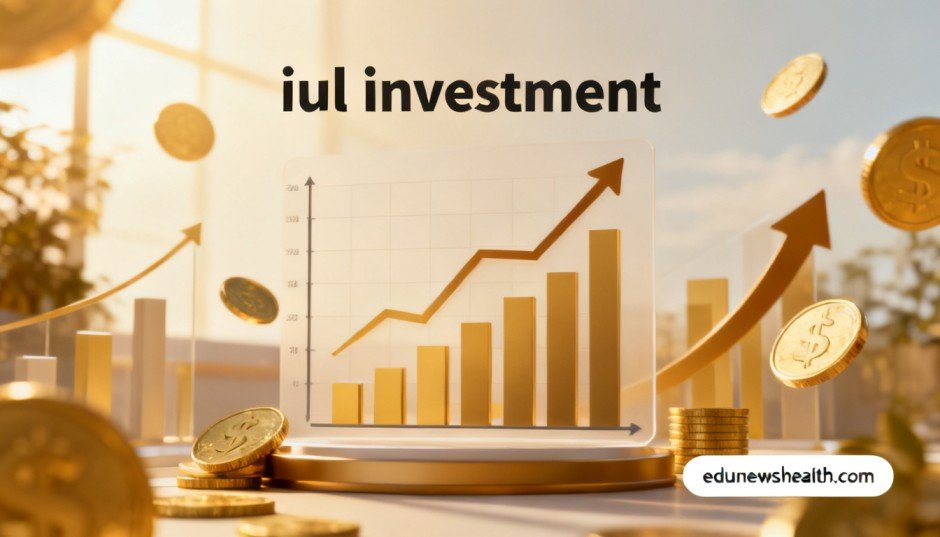
Moreover, unlike fixed investment options, the cash value in an IUL investment is not directly tied to market fluctuations. This characteristic makes IUL policies particularly appealing for those seeking a balance between risk and reward. As the cash value of the policy grows, policyholders can borrowing against it, offering liquidity along with the potential for tax-deferred growth. This flexibility can be a strategic advantage, placing IUL insurance at the intersection of life insurance and smart investment planning.
In light of these features, IUL investments are often regarded as a suitable choice for individuals who prioritize both security and growth in their financial planning. As we delve deeper into the specifics of IUL investments, it becomes clear that understanding their mechanics and benefits is essential for making informed decisions in personal finance.
How IUL Policies Work
Indexed Universal Life (IUL) insurance policies are unique financial instruments that provide both a death benefit and a cash value accumulation feature. When policyholders contribute premiums, these funds are divided into two primary components: the cost of insurance and cash value accumulation. The cash value can grow over time based on selected interest rates, which are typically linked to a stock market index, providing the insurer with an opportunity to offer growth without direct investment in stocks.
The growth of cash value in an IUL policy is influenced significantly by the interest rates configured into the policy. While these rates are often capped, they can vary based on market conditions and the performance of the underlying index. This means that when the market performs well, the cash value may benefit from higher interest rates, whereas downturns can lead to lower growth rates. Therefore, policyholders can experience potential growth without exposing themselves to the full risks associated with direct stock market investments.
Furthermore, policyholders have the option to take policy loans or make withdrawals from the accumulated cash value. Taking a loan against the cash value can provide immediate liquidity, although it typically incurs interest, which can affect the eventual death benefit if not repaid. It is essential to consider that any withdrawals will reduce the overall cash value and may have tax implications. Understanding these mechanics is crucial for effectively leveraging an IUL investment to meet long-term financial goals while also providing for potential life insurance needs.
Benefits of IUL Investment
The Indexed Universal Life (IUL) investment strategy offers several advantages that can be particularly appealing to individuals seeking both protection and growth in their financial planning. One of the primary benefits of an IUL investment is its tax-deferred growth. This means that any earnings accrued within the policy are not taxed until they are withdrawn, allowing for potentially greater accumulation of wealth over time compared to taxable investment accounts.
Flexibility is another key attribute of IUL policies. Policyholders can adjust their premium payments based on their financial circumstances or objectives, which is not commonly available in traditional whole life insurance policies. Such flexibility can help individuals better manage their financial commitments while still maintaining a life insurance policy that grows over time.
In terms of returns, IUL investments can provide higher potential returns compared to standard whole life policies. This is primarily due to the connection between the returns of the cash value component and a stock market index, which allows for increased growth opportunities while potentially safeguarding against the risks associated with market downturns.
Another notable advantage of IUL investment is the dual benefit it provides: a death benefit for beneficiaries should the insured pass away, along with investment growth for the policyholder. This unique combination makes IUL policies an attractive option for those aiming for long-term wealth creation while ensuring financial security for loved ones. Overall, the indexed universal life investment approach can serve as a powerful tool in a well-rounded financial strategy, balancing investment potential, flexibility, and protection accordingly.
Risks and Considerations of IUL Investment
Index Universal Life (IUL) insurance presents a unique investment opportunity that blends life insurance coverage with the potential for cash value accumulation tied to a stock market index. However, potential investors must carefully evaluate the associated risks and considerations before committing to an IUL investment.
One of the primary risks is market volatility. While IULs allow for cash value growth linked to an index, they are also subject to fluctuations in market performance. This means that while the cash value can increase, it can also stagnate or experience limited growth during periods of poor market performance. It is crucial to understand that the growth of the cash value in an IUL is typically capped to a certain percentage, which can limit the potential returns during favorable market conditions.
Additionally, the caps on returns can significantly impact the overall performance of an IUL investment. These caps are usually set by the insurance company and can vary depending on the specific policy and market trends. Even in a rising market, the cash value may not grow as much as other investment vehicles due to these limits, making it essential for investors to consider whether the capped growth aligns with their financial goals.
Another critical factor involves the cost of insurance, which is deducted from the cash value. As individuals age, these costs tend to increase, potentially eroding the cash value accumulated over time. Investors must evaluate their long-term strategies to ensure they account for these increasing costs and any impact on the policy’s sustainability.
In conclusion, while an IUL investment can offer flexibility and benefits, it is imperative for potential investors to thoroughly assess the risks associated with market volatility, caps, and insurance costs. Understanding these elements is essential to making informed decisions and ensuring that an IUL fits well within one’s overall investment portfolio.
Comparing IUL to Other Investment Vehicles
When considering the various investment options available, it is essential to understand how Indexed Universal Life (IUL) investment compares to traditional financial products such as whole life insurance, term life insurance, and investment accounts. Knowledge of these differences can inform individuals seeking to optimize their financial strategies.
Whole life insurance offers guaranteed death benefits and cash value accumulation, but it tends to have higher premiums and limited growth potential due to fixed interest rates. In contrast, an IUL investment provides the owner with the advantage of cash value growth linked to a stock market index while maintaining a life insurance component. This allows for potentially higher returns, depending on the performance of the index, without the risk of losing the principal amount.
Term life insurance is primarily focused on death benefits without any cash value component, making it a more affordable option for many. However, it does not provide the investment growth potential that an IUL can offer. For individuals who may require life insurance but also seek to grow their savings, an IUL investment becomes an attractive option due to its dual benefit.
Investment accounts, such as mutual funds or brokerage accounts, present their own set of advantages and disadvantages. They typically allow for a more aggressive investment strategy with higher growth potential, but they also introduce significant risk, including market volatility. Unlike traditional investment accounts, an IUL investment guarantees a minimum return, providing a safety net during market downturns.
In summary, understanding the differences between an IUL investment and other financial products is crucial. For those seeking a combination of insurance protection and the potential for cash value growth, an indexed universal life policy may be the most suitable choice depending on their financial objectives and risk tolerance.
Who Should Consider IUL Investment?
Indexed Universal Life (IUL) investment is suitable for a diverse range of individuals with varying financial goals and circumstances. Primarily, this investment vehicle appeals to those seeking long-term growth in their savings while also prioritizing a death benefit for their beneficiaries. Investors who value the combination of life insurance protection and investment growth often find IULs particularly advantageous. This dual benefit serves not only as a financial safety net but also as a way to build cash value that can be accessed in later years.
Furthermore, individuals who are looking for tax-advantaged growth may find IUL investment appealing. The cash value of an IUL grows on a tax-deferred basis, which can be particularly beneficial for those in higher tax brackets aiming to optimize their tax situation. Upon withdrawal, as long as policy loans are managed properly, any gains can be accessed without incurring immediate tax liabilities, making this an attractive option for tax-conscious investors.
Additionally, individuals who prefer a structure that allows for investment flexibility should consider an IUL investment. This type of policy allows policyholders to allocate their funds among various index accounts, offering opportunities for growth tied to stock market performance without exposing them to the full risks of market volatility. Ideal candidates for this option often include younger investors or those in mid-life seeking to enhance their financial portfolios without a high level of risk.
Ultimately, assessing personal investment goals, risk tolerance, and financial situations is crucial in determining if an IUL investment aligns with one’s overall strategy. Individuals are encouraged to consult with financial advisors to evaluate how this specific investment can fit their unique needs.
How to Choose the Right IUL Policy
Selecting the appropriate Indexed Universal Life (IUL) policy is a significant decision that requires careful consideration of various factors to align with one’s financial goals. One primary aspect to evaluate is the credibility of the insurance carriers offering IUL investments. Investigating their financial strength ratings from independent agencies can provide insights into their reliability and stability, as a well-established company is likely to fulfill its long-term commitments effectively.
Another critical element is understanding the specific policy features associated with different IUL policies. These features might include the types of indexed accounts available, various options for death benefits, and loan provisions. It is essential to assess the blend of flexibility and potential returns offered by these features, as they can significantly influence the overall performance of the IUL investment over time.
Fees associated with the policy also deserve careful scrutiny. Charges such as premiums, cost of insurance, and administrative fees can impact the net growth of the policy. A transparent breakdown of these costs allows for a better comparison between different IUL options, helping to avoid unexpected expenses that could diminish returns.
Moreover, the growth potential of the IUL index accounts should be analyzed. Understanding how the interest credits are calculated, the caps placed on growth, and any participation rates can highlight the expected performance under various market conditions. Reading the fine print in these sections is crucial, as it provides insight into how market volatility may influence the investment’s returns.
Finally, engaging with an experienced insurance agent can facilitate informed decision-making. It is advisable to ask comprehensive questions about the policy terms, investment strategy, and any additional riders or endorsements that could enhance the IUL policy according to personal needs. By considering these critical factors, individuals can make an educated choice that aligns their IUL investment with their unique financial aspirations.
Real-Life Examples of IUL Success Stories

Indexed Universal Life (IUL) investments have proven to be a viable financial strategy for numerous individuals and families seeking stability and growth in their long-term financial planning. Through the lens of practical examples, we can discern the advantages of incorporating IULs into a comprehensive financial portfolio.
One compelling case involves a young couple, Jessica and Mark, who started their IUL investment strategy after receiving financial advice during a seminar. They appreciated the flexibility that IULs provided, allowing them to allocate funds towards life insurance while also gaining investment growth. With a well-structured plan, they were able to leverage market performance and even utilized the cash value of their IUL to fund a portion of their children’s college education. This approach not only secured their family’s financial future but also underscored the multi-faceted benefits of IUL investments.
Another notable example comes from Linda, a 50-year-old small business owner. Recognizing the volatility of traditional investment options, she sought a more secure means to save for retirement. By choosing an IUL, Linda was able to enjoy tax-deferred growth on her contributions and, more importantly, she remains insulated from the potential downturns in the stock market. With consistent premium payments, after 15 years, she experienced a significant accumulation of cash value, which she plans to utilize for her retirement travels and leisure activities.
These success stories exemplify the practical application of IUL investments—their ability to provide not only financial security but also an avenue for growth without the unpredictability often associated with other investment vehicles. As these testimonials illustrate, IULs can effectively serve various financial objectives, making them a valuable addition to any investment strategy.
Conclusion: Is IUL Investment Right for You?
In evaluating whether an Indexed Universal Life (IUL) investment suits your financial strategy, it is essential to revisit the key benefits that this unique product offers. One of the most significant advantages of an IUL investment is its ability to blend life insurance protection with the potential for cash value growth linked to a stock market index. This combination allows policyholders not only to secure their loved ones financially but also to accumulate wealth over time.
Another important aspect to consider is that the growth potential of IUL investments is generally subject to a cap, which provides a level of certainty compared to more volatile investment options. While there are risks involved, the design of IUL products typically offers downside protection, meaning that during downturns in the market, your cash value is not negatively impacted, preserving your investment in a way that more traditional investment strategies do not.
As you assess your personal financial goals, it is critical to think about your risk tolerance, timeline for investment, and overall financial planning priorities. If you seek a solution that offers both life insurance coverage and an opportunity to build tax-advantaged cash value, exploring IUL investments may be beneficial. However, due to the complexity of such financial products, it is advisable to consult with a financial advisor. A professional can help you evaluate whether an IUL investment aligns with your specific needs and helps you achieve your longer-term objectives.
Also read edunewshealth.com
Email: johanharwen314@gmail.com
Author Name: Johan Harwen