

Can You Microwave Styrofoam? The Truth Revealed 2026
Introduction
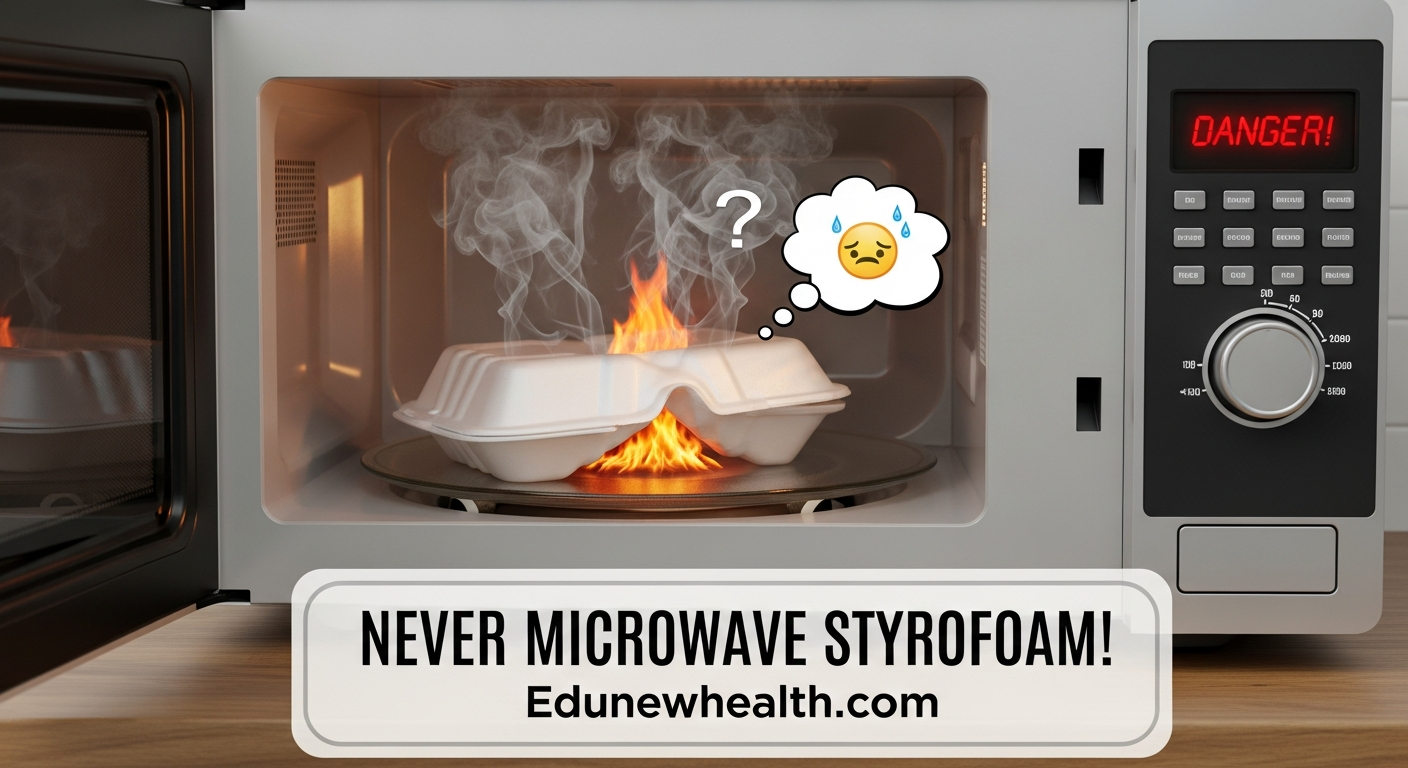
You’re standing in front of your microwave, holding a styrofoam container filled with last night’s leftovers. The question hits you: can you microwave styrofoam? It’s something we’ve all wondered about at least once. Maybe you’re in a hurry, or you simply don’t want to dirty another dish. Whatever the reason, you need to know if it’s safe before you press that start button.
The short answer isn’t as simple as yes or no. The truth about microwaving styrofoam depends on several factors. Some foam containers are designed for microwave use, while others can release harmful chemicals into your food. Understanding the difference could protect your health and prevent a messy kitchen disaster.
In this article, we’ll explore everything you need to know about styrofoam and microwaves. You’ll learn what styrofoam actually is, why it can be dangerous, how to identify microwave-safe foam containers, and what alternatives you should consider. By the end, you’ll have all the information to make smart, safe decisions about reheating your food.
What Exactly Is Styrofoam?
Before we dive into whether you can microwave styrofoam, let’s clarify what this material actually is. Most people use “styrofoam” as a catch-all term for any foam food container. However, true Styrofoam is a trademarked brand of polystyrene foam made by Dow Chemical Company. It’s primarily used for construction and insulation, not food packaging.
What you’re probably using is expanded polystyrene foam (EPS). This is the lightweight, white material commonly used for coffee cups, takeout containers, and food trays. It’s made by expanding polystyrene beads with steam and pressure. The result is a material that’s 95% air, making it an excellent insulator.
EPS keeps your coffee hot and your cold drinks cold. It’s cheap to produce and incredibly light. Restaurants love it because it reduces packaging costs. But here’s the problem: polystyrene isn’t designed to handle high temperatures. When heated beyond certain temperatures, it can start to break down.
The breakdown process is where things get concerning. As the material melts or warps, it may release styrene and other chemicals. These substances can migrate into your food, especially fatty or acidic foods that act like chemical sponges.
The Science Behind Microwaving Styrofoam
So, can you microwave styrofoam without consequences? The answer depends on understanding how microwaves interact with polystyrene foam. Microwaves work by causing water molecules in food to vibrate rapidly. This vibration creates heat that warms your meal from the inside out.
Styrofoam containers don’t contain water molecules, so they don’t absorb microwave energy directly. However, they heat up through conduction when they come into contact with hot food. If your food gets hot enough, it can heat the container beyond its safe temperature threshold.
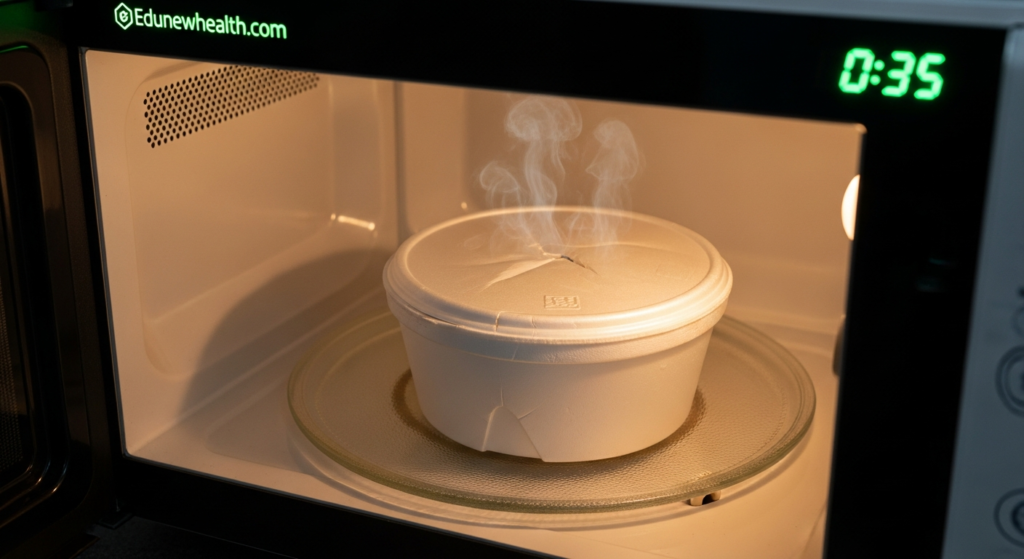
Most polystyrene foam has a melting point between 212°F and 464°F (100°C to 240°C). Regular microwaving can easily push food temperatures into this range. When foam containers get too hot, they begin to soften, warp, or even melt. I’ve personally seen foam plates buckle and collapse under a plate of hot pasta that spent just two minutes in the microwave.
Research from the National Institutes of Health shows that heating polystyrene can cause styrene to leach into food. Styrene is classified as a possible human carcinogen by the International Agency for Research on Cancer. While the amounts released during typical microwave use are small, repeated exposure over time raises legitimate health concerns.
Health Risks of Microwaving Non-Safe Styrofoam
The health implications of microwaving the wrong type of styrofoam deserve serious attention. When you heat polystyrene foam that isn’t microwave-safe, you’re potentially exposing yourself to several harmful chemicals.
Styrene is the primary concern. This chemical has been linked to various health issues in animal studies. According to the Environmental Protection Agency (EPA), chronic exposure to styrene can affect the nervous system. Symptoms may include headaches, fatigue, and difficulty concentrating. Some studies suggest potential connections to more serious conditions, though more research is needed.
Plasticizers and additives represent another risk category. Manufacturers add various chemicals to polystyrene to improve its properties. When heated, these additives can migrate into your food. The warmer and fattier the food, the more chemicals it absorbs.
Dioxins may form when certain plastics are heated improperly. These highly toxic compounds can accumulate in your body over time. They’ve been associated with reproductive problems, immune system damage, and increased cancer risk.
Children and pregnant women face elevated risks from these chemical exposures. Developing bodies are more vulnerable to endocrine-disrupting chemicals. Even small amounts can potentially interfere with growth and development.
The cumulative effect matters too. One microwaved meal in foam probably won’t harm you. But if you’re regularly reheating food in non-safe containers, you’re building up exposure levels that could impact your long-term health.
How to Identify Microwave-Safe Styrofoam
Now for the practical question: can you microwave styrofoam if it’s labeled safe? Absolutely—but you need to identify which containers qualify. The FDA regulates food contact materials, including some polystyrene products approved for microwave use.
Look for the microwave-safe symbol. This appears as a series of wavy lines, usually on the bottom of the container. Sometimes it’s accompanied by text that explicitly states “microwave-safe.” This symbol means the manufacturer has tested the product and determined it won’t break down under normal microwave conditions.
Check for recycling codes. Polystyrene carries the #6 recycling code. However, this code alone doesn’t tell you if the container is microwave-safe. You need additional labeling to confirm safety. A #6 with a microwave symbol is good. A #6 without additional safety labels should stay out of your microwave.
Read manufacturer instructions carefully. Some containers may be safe for reheating but not for cooking. Others might have temperature or time limitations. For example, a cup might be safe for warming beverages but not for heating soup to boiling temperatures.
Examine the container’s condition. Even microwave-safe foam can degrade over time. Cracks, discoloration, or previous warping indicate the container has exceeded its useful life. Damaged containers are more likely to release chemicals, regardless of their original safety rating.
When in doubt, transfer your food. If you can’t find clear safety labeling, don’t risk it. The few seconds it takes to move food to a ceramic or glass container far outweigh any potential health consequences.
Best Practices for Microwaving Foam Containers
If you’ve confirmed your container is microwave-safe, following proper procedures ensures maximum safety. Can you microwave styrofoam without problems? Yes, when you follow these guidelines:
Use medium power settings. High power creates hot spots that can damage even safe containers. Medium or 50% power distributes heat more evenly. Your food may take slightly longer to warm, but the container stays within safe temperature ranges.
Remove lids before heating. Many foam lids aren’t microwave-safe even when the container is. Steam buildup can also cause pressure that warps or bursts containers. Leave lids off or use them loosely to allow steam to escape.
Avoid fatty and acidic foods. These foods reach higher temperatures and more readily absorb chemicals from containers. If you’re reheating pizza, fried foods, tomato sauce, or citrus-based dishes, use glass or ceramic instead.
Monitor heating time. Start with shorter intervals, checking and stirring between sessions. Thirty to sixty-second bursts give you control over temperature. This prevents overheating both your food and container.
Never use foam for cooking. Microwave-safe foam is approved for reheating only. Don’t use it to cook raw foods from scratch. The extended heating time and higher temperatures exceed what these containers can safely handle.
Let food rest before handling. Even safe containers can become quite hot. Allow 30 seconds to a minute for cooling. This prevents burns and gives the container time to stabilize.
We should note that microwave-safe doesn’t mean infinitely reusable. These containers are typically designed for single use. Repeated heating cycles, even at safe temperatures, gradually degrade the material’s integrity.
Safer Alternatives to Styrofoam Containers
Given all the concerns about whether you can microwave styrofoam safely, you might wonder about better options. Fortunately, several excellent alternatives exist that eliminate any health worries.
Glass containers top the list of safe choices. Glass doesn’t leach chemicals at any temperature your microwave can produce. Pyrex and other borosilicate glass products are specifically designed for microwave use. They’re durable, reusable, and easy to clean. I’ve been using the same set of glass containers for over five years, and they still look brand new.
Ceramic dishes offer another completely safe option. Plain ceramic bowls and plates without metallic paint or trim work perfectly in microwaves. They heat evenly and don’t release any harmful substances. Make sure any ceramic you use is specifically labeled microwave-safe, as some decorative pieces may contain materials that spark.
Microwave-safe plastic containers provide lightweight convenience without styrofoam’s risks. Look for containers labeled BPA-free and microwave-safe. These are engineered to withstand repeated heating without breaking down. However, avoid using worn or scratched plastic containers, as damage increases chemical migration.
Silicone containers have grown popular for good reason. Food-grade silicone remains stable across extreme temperature ranges. It’s flexible, collapsible for storage, and completely non-toxic. Silicone bowls and covers make excellent microwave companions.
Paper plates and bowls work for short reheating sessions with non-greasy foods. Choose plain, uncoated varieties without plastic linings. While not as durable as other options, they’re safe for occasional use.
For the environmentally conscious, these alternatives offer the added benefit of reducing waste. Reusable containers eliminate the need for disposable foam products entirely. It’s better for your health and the planet.
What Restaurants and Food Services Should Know
If you work in food service, the question “can you microwave styrofoam” carries professional responsibilities. You need to ensure customer safety while maintaining efficiency.
Use only approved containers. Invest in polystyrene products explicitly rated for microwave use. The FDA maintains lists of food contact substances that have been tested and approved. Your supplier should provide documentation proving their products meet these standards.
Train your staff properly. Everyone handling food should understand which containers are microwave-safe and which aren’t. Clear labeling and training protocols prevent dangerous mistakes during busy service periods.
Communicate with customers. If you send food home in containers, tell customers whether they’re microwave-safe. A simple sticker or printed notice can prevent health issues and build customer trust.
Consider sustainable alternatives. Many restaurants are switching to compostable containers made from plant-based materials. These often offer better heat resistance than traditional foam. They’re also better for your brand image as consumers increasingly value environmental responsibility.
Stay informed about regulations. Some cities and states have banned or restricted polystyrene food containers. New York City, San Francisco, and Seattle are among many jurisdictions phasing out foam products. Staying ahead of these changes protects your business.
Environmental Considerations
Beyond personal health, the environmental impact of styrofoam deserves consideration. While this isn’t directly about whether you can microwave styrofoam, it’s part of the bigger picture.
Polystyrene foam is notoriously difficult to recycle. Most recycling facilities don’t accept it because it’s not economically viable to process. The bulky, lightweight material takes up enormous space relative to its recyclable value. As a result, the vast majority of foam containers end up in landfills or as litter.
In landfills, polystyrene takes approximately 500 years to decompose. During that time, it breaks into smaller pieces but never fully biodegrades. These microplastics contaminate soil and water systems. Marine animals often mistake foam pieces for food, leading to injury and death.
The production process itself is resource-intensive. Manufacturing polystyrene requires petroleum products and releases greenhouse gases. For every pound of polystyrene produced, roughly 2.5 pounds of CO2 enter the atmosphere.
Choosing reusable containers reduces this environmental burden significantly. One glass container used 100 times has far less environmental impact than 100 disposable foam containers. It’s a simple change that makes a measurable difference.
Common Myths About Microwaving Styrofoam
Let’s address some widespread misconceptions about whether you can microwave styrofoam safely.
Myth 1: All styrofoam is the same. False. Microwave-safe foam is chemically different from standard foam. Manufacturers formulate it with additives that improve heat stability. You can’t assume one foam container behaves like another.
Myth 2: If it doesn’t melt, it’s safe. Not true. Chemical leaching can occur well before visible melting happens. Structural integrity doesn’t guarantee chemical safety. A container might look perfectly fine while releasing harmful substances.
Myth 3: Brief heating is always safe. Duration matters, but so does temperature. Even thirty seconds at high power can heat food hot enough to trigger chemical migration. The food’s temperature, not just the time, determines safety.
Myth 4: Microwave-safe means dishwasher-safe and freezer-safe. These are separate certifications. A container approved for microwave use may not tolerate extreme cold or hot water washing. Always check specific usage guidelines.
Myth 5: Natural or biodegradable foam is automatically safer. Some plant-based foams have similar heat limitations to polystyrene. “Natural” doesn’t guarantee microwave safety. Look for explicit microwave-safe labeling regardless of the source material.
Understanding these myths helps you make informed decisions rather than relying on potentially dangerous assumptions.
International Perspectives and Regulations
Different countries take varying approaches to polystyrene food containers and microwave safety. Understanding these perspectives provides broader context for the question: can you microwave styrofoam?
The European Union maintains strict regulations on food contact materials. The European Food Safety Authority (EFSA) requires extensive testing before approving any material for food use. Some EU countries have restricted or banned certain polystyrene products entirely.
Canada follows regulations similar to the United States but with some differences in specific substance approvals. Health Canada regularly reviews scientific evidence on food packaging materials and updates guidelines accordingly.
Australia and New Zealand use a joint food standards code that addresses food contact materials. Their approach emphasizes risk assessment based on current scientific understanding.
Asian countries vary widely in their regulations. Japan maintains particularly stringent standards for food packaging. China has been increasingly tightening controls on food contact materials as consumer awareness grows.
These international differences reflect varying levels of precautionary principle application. Some regulators wait for definitive proof of harm before restricting materials. Others prefer to limit potentially risky substances even when evidence is incomplete.
For travelers and international food companies, these variations create complexity. A container approved in one country may not meet standards elsewhere. When in doubt, checking local regulations and opting for universally safe alternatives like glass makes sense.
The Future of Food Containers
As awareness grows about microwave safety and environmental impact, the food packaging industry is evolving. Can you microwave styrofoam might become a less relevant question as alternatives gain market share.
Biodegradable and compostable materials are rapidly improving. Companies are developing foam-like containers from cornstarch, sugarcane fiber, and mushroom mycelium. Many of these alternatives offer better heat resistance than traditional polystyrene while breaking down naturally.
Advanced polymer science is creating safer plastics designed specifically for microwave use. These materials undergo rigorous testing to ensure they remain stable across wide temperature ranges without leaching chemicals.
Smart packaging represents an emerging frontier. Some researchers are developing containers with temperature indicators that change color when contents reach unsafe temperatures. This technology could help prevent both microwave accidents and foodborne illness.
Circular economy models are gaining traction. Some companies now offer container return and reuse programs. You get your takeout in a durable, safe container, then return it for cleaning and reuse. This eliminates single-use waste entirely.
Consumer pressure is driving change perhaps more than regulation. As people learn about the health and environmental costs of disposable packaging, they’re demanding better options. Restaurants and food manufacturers are responding to maintain customer loyalty.
The trajectory seems clear: we’re moving toward a future where the question “can you microwave styrofoam” will apply only to a shrinking category of legacy products.
Conclusion
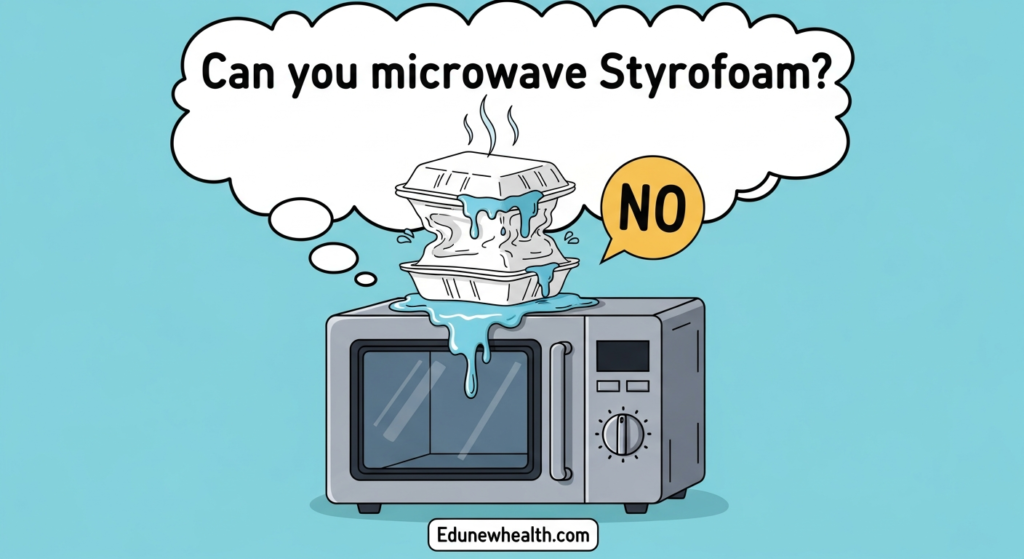
So, can you microwave styrofoam? The answer is yes, but only if the container is specifically labeled microwave-safe. Standard polystyrene foam containers pose real health risks when heated. They can release harmful chemicals into your food, especially when used with fatty or acidic items.
Your safest approach is straightforward. Check every foam container for microwave-safe symbols before heating. When in doubt, transfer food to glass or ceramic. These materials eliminate any chemical concerns while providing superior heating performance.
Remember that microwave-safe foam is designed for reheating, not cooking. Use medium power, remove lids, and monitor your food closely. Even approved containers have limits that shouldn’t be exceeded.
The broader shift toward sustainable, safer food containers makes this issue easier over time. Glass, ceramic, and innovative biodegradable options offer peace of mind without compromise. They protect your health, reduce environmental impact, and often work better in microwaves anyway.
Take control of your kitchen safety today. Audit your containers, discard anything questionable, and invest in truly safe alternatives. Your future self will thank you for making choices that prioritize both health and convenience.
What’s your experience with microwaving food containers? Have you made the switch to safer alternatives, or are you still navigating the options? Share your thoughts and tips in the comments below.
FAQs
1. Can you microwave styrofoam coffee cups? Only if the cup is specifically labeled microwave-safe. Most disposable coffee cups are not designed for microwave use. Transfer your coffee to a ceramic mug for safest reheating.
2. What happens if you accidentally microwave non-safe styrofoam? The container may warp, melt, or release chemicals into your food. If this happens, discard the food immediately. The container will likely show visible damage. Don’t consume food that has been in contact with melted foam.
3. How can you tell if styrofoam is microwave-safe? Look for a microwave-safe symbol (wavy lines) or text stating “microwave-safe” on the container. Check the bottom or side for these markings. Without clear labeling, assume the container is not safe.
4. Is it safe to microwave styrofoam for 30 seconds? Time alone doesn’t determine safety. The food’s temperature matters more. Even 30 seconds can heat food hot enough to cause chemical leaching from non-safe containers. Always verify the container is microwave-approved first.
5. Can you microwave styrofoam plates? Only microwave-safe styrofoam plates should be used. Many disposable plates are not designed for microwave use. Paper or ceramic plates are safer alternatives for heating food.
6. What’s the difference between microwave-safe and regular styrofoam? Microwave-safe foam is chemically formulated to withstand higher temperatures without breaking down. It undergoes testing to ensure it doesn’t release harmful substances when heated. Regular foam lacks these safety features.
7. Can you microwave styrofoam takeout containers? Only if they’re labeled microwave-safe. Most restaurant takeout containers are not designed for microwave use. Transfer your leftovers to appropriate dishes before reheating.
8. Are there any styrofoam products that are completely safe to microwave? Yes, products specifically manufactured and tested for microwave use meet FDA safety standards. However, even these should be used according to manufacturer guidelines and only for reheating, not cooking.
9. What are the best alternatives to styrofoam for microwave use? Glass, ceramic, and microwave-safe plastic containers are excellent alternatives. These materials don’t leach chemicals when heated. Silicone containers also work well for microwave reheating.
10. Can microwaving styrofoam cause cancer? Styrene, which can leach from heated polystyrene, is classified as a possible human carcinogen. While single exposures likely pose minimal risk, repeated exposure from regularly microwaving non-safe containers could contribute to long-term health concerns. Using safe alternatives eliminates this risk entirely.
Also Read : Goth Egg