

How to Get Clients from Your Website 2026
Understanding Your Target Audience
Identifying and understanding your target audience is a crucial component of successfully acquiring clients through your website. By knowing who your potential clients are, including their demographics, interests, and pain points, you can tailor your marketing strategies more effectively. This understanding helps optimize your website’s content, layout, and offerings to meet the specific needs of your visitors.
One of the most effective methods for defining your target audience is through data analytics. Most website platforms offer built-in analytics tools that provide valuable insights into visitor behavior. By analyzing metrics such as age, gender, location, and interests, you can form a clearer picture of who is visiting your site. Additionally, tracking user engagement metrics like bounce rates and time spent on your pages can reveal which sections of your website resonate most with your audience.
Surveys and questionnaires are another powerful way to gather insights directly from your website visitors. Customizing these tools enables you to ask pertinent questions regarding their preferences, challenges, and expectations. This feedback not only builds a more authentic connection with your clients but also makes your marketing efforts more targeted.
Competitor analysis can yield significant insights about your audience as well. By examining the clientele of your competitors, you can identify gaps in the market or areas where you can offer better services. This analysis often uncovers trends among potential clients that you might not have considered.
In conclusion, understanding your target audience requires a multifaceted approach utilizing analytics, surveys, and competitor analyses. By actively engaging in these practices, you will create a more compelling website that directly addresses the needs and preferences of your potential clients, ultimately leading to increased conversions and client retention.
Optimizing Your Website for Lead Generation
In the digital landscape, optimizing your website for lead generation is pivotal to attracting and converting visitors into clients. A user-friendly design serves as the foundation of this optimization, ensuring that visitors can navigate your site effortlessly. By employing a clean layout, intuitive navigation, and mobile responsiveness, you create a welcoming environment that encourages users to explore your offerings further.
Compelling call-to-action (CTA) buttons are another crucial element in converting visitors. These buttons should be strategically placed on your site, standing out with contrasting colors and clear messaging. Phrases such as “Get Started” or “Contact Us Today” can motivate users to take immediate action, significantly boosting your lead generation efforts. Additionally, incorporating forms for lead capture on relevant pages allows you to collect valuable information from potential clients, enabling you to follow up effectively.
The quality of content on your website plays a significant role in attracting and retaining visitors. Be sure to provide informative, engaging, and relevant content that addresses the needs of your target audience. This not only enhances user experience but also establishes your authority in your field. Moreover, implementing SEO best practices, such as using appropriate keywords and creating meta descriptions, can improve your site’s visibility in search engine results, driving organic traffic to your website.
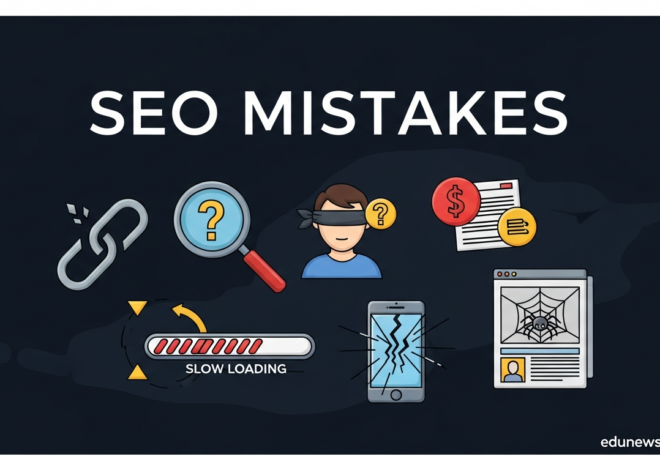
Lastly, loading speed should not be overlooked, as it directly impacts user experience and retention rates. A website that loads slowly can frustrate visitors, prompting them to abandon your site before even interacting with your content. Regularly optimizing images, leveraging browser caching, and using a reliable hosting service can greatly enhance your site’s performance.
Utilizing Content Marketing Strategies
In the digital landscape, content marketing emerges as a powerful strategy for attracting and retaining clients through your website. The cornerstone of this approach is the creation of valuable and informative content that resonates with your target audience. By producing engaging blog posts, you not only establish authority in your industry but also address the specific needs and pain points of your clients, thereby increasing the likelihood of conversion.
Furthermore, incorporating case studies into your content strategy can significantly enhance credibility. These case studies serve as real-life examples of how your products or services have positively impacted previous clients. They showcase the effectiveness of your offerings, helping potential clients envision the potential benefits they would experience by working with you. The visual appeal of videos and infographics also cannot be overlooked; these formats often communicate complex information in a more digestible manner and can significantly increase engagement on your website.
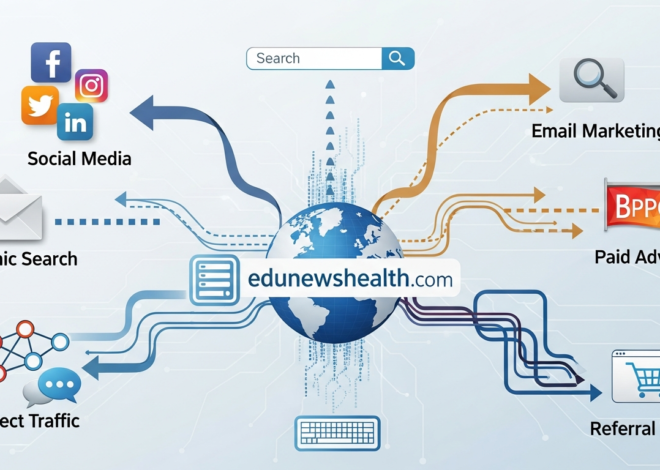
To maximize the reach of your content, it is essential to promote it actively through social media and email marketing. Social media platforms offer an array of channels to share your content, allowing you to engage with a broader audience. By crafting posts that link back to your blog or other content pieces, you drive traffic to your website, fostering an environment conducive to client acquisition. Email marketing is another effective tool; sending out newsletters that incorporate your latest blog posts, videos, and infographics can help keep your brand top-of-mind for potential clients, making them more likely to return to your website when they are ready to make a decision.
Incorporating these content marketing strategies can significantly enhance your website’s effectiveness in attracting and retaining clients, ultimately leading to increased conversions and business growth.

Leveraging Social Proof and Testimonials
In the digital age, building trust with potential clients is paramount, and leveraging social proof is one of the most effective ways to establish credibility on your website. Social proof encompasses various forms of validation, such as testimonials, reviews, and case studies, that showcase the positive experiences of past clients. By incorporating these elements effectively, you can significantly enhance your website’s ability to convert visitors into clients.
One of the most compelling forms of social proof is client testimonials. These can be displayed prominently on your site, ideally on your homepage or dedicated testimonials page. When crafting testimonial sections, ensure that they include the client’s name, position, and company, if applicable. This adds authenticity and context to the feedback. Moreover, incorporating photos or video testimonials can further enhance the genuineness of these endorsements. Clients are more likely to trust the opinions of their peers, so clearly showing real feedback creates a sense of relatability.
Additionally, consider showcasing reviews from third-party platforms such as Google, Yelp, or industry-specific sites. These reviews often come with their own credibility, as they are not directly controlled by you. Highlighting an overall rating alongside these reviews can serve as a quick indicator of your services’ quality. Furthermore, case studies provide an excellent opportunity to dive deeper into the successes you have facilitated for clients. By detailing the process and results of a project, you not only tell potential clients about your expertise but also illustrate the tangible benefits of your services.
In conclusion, effectively displaying social proof on your website is crucial in converting visitors into clients. By strategically utilizing testimonials, reviews, and case studies, you bolster your credibility and encourage potential clients to take the next step in engaging with your services.