

Dangers of Water in Crawl Space: Save Your Home 2026
Introduction
You walk past that small access door in your hallway every single day. You know the one that leads to your crawl space. Most homeowners never think about what’s happening down there until something goes wrong. But here’s the truth: water in crawl space is one of the most common and destructive problems your home can face.
I’ve seen countless homes suffer serious damage because water quietly pooled beneath the floors. The scary part? Most people don’t realize there’s a problem until they smell mold or notice sagging floors. By then, the damage can cost thousands to repair.
This article will walk you through everything you need to know about water in crawl space. You’ll learn why it happens, how to spot it early, and what steps you can take to protect your home. We’ll also cover prevention strategies that can save you money and headaches down the road.
What Causes Water in Crawl Space
Understanding the source is your first step toward solving the problem. Water doesn’t just appear in your crawl space randomly. Several common culpracts contribute to moisture buildup beneath your home.
Groundwater and Poor Drainage
Heavy rain can saturate the soil around your foundation. When your property lacks proper grading, water flows toward your home instead of away from it. This creates hydrostatic pressure that pushes moisture through cracks and gaps. Your crawl space becomes a collection point for all that unwanted water.
Plumbing Leaks
A small drip from a pipe can go unnoticed for months. Water lines, drain pipes, and HVAC condensate lines all run through crawl spaces. When these develop leaks, water accumulates slowly. You might not see the problem until you inspect the space directly.
Condensation Issues
Warm, humid air meeting cool surfaces creates condensation. This is especially common in summer months. Your crawl space stays cooler than the outside air. Moisture in the air condenses on floor joists, pipes, and foundation walls. Over time, this adds up to significant water accumulation.
High Water Table
Some properties sit in areas where the water table rises seasonally. During wet periods, groundwater can reach the level of your crawl space. This creates persistent moisture problems that require specialized solutions.
Inadequate Ventilation
Older homes were built with crawl space vents to promote air circulation. However, this can actually introduce more moisture during humid weather. Modern building science shows that sealed crawl spaces often perform better in controlling water in crawl space situations.
Signs You Have Water in Your Crawl Space
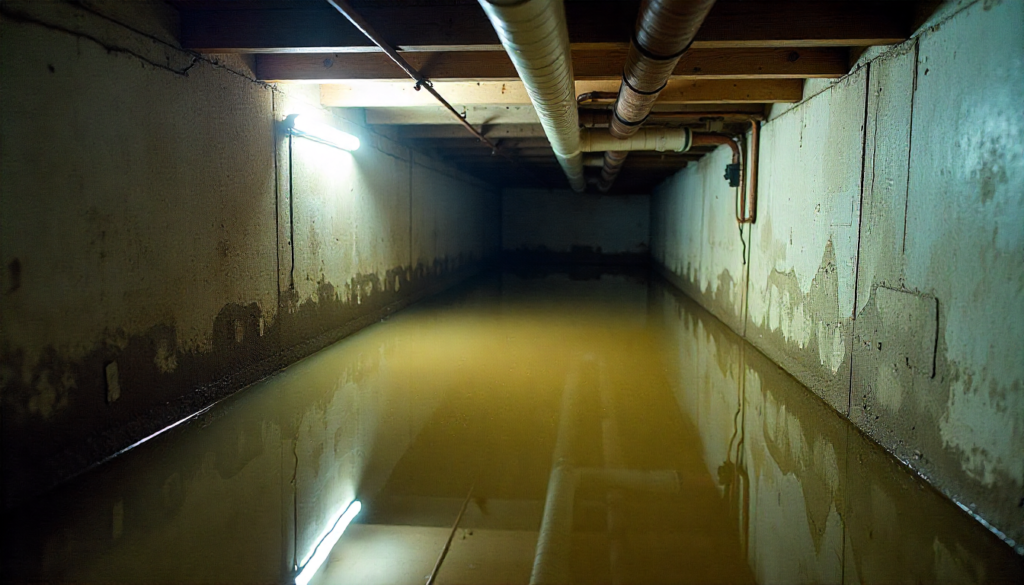
Early detection saves you money and prevents major structural damage. Watch for these warning signs that indicate moisture problems below your home.
Musty Odors
Your nose knows when something’s wrong. A persistent musty smell in your home often comes from mold growing in damp crawl spaces. This odor can permeate through floors and into living areas. If you notice this smell, especially near the floor, investigate your crawl space immediately.
Visible Mold Growth
Check your crawl space with a flashlight. Look for black, green, or white patches on wood surfaces. Mold thrives in damp environments with poor air circulation. Once established, it spreads quickly and releases spores throughout your home.
Wood Rot and Decay
Water in crawl space attacks wooden floor joists and support beams. Touch the wood with a screwdriver. If it sinks in easily, you have rot. Soft, spongy wood has lost its structural integrity. This compromises the stability of your entire floor system.
Standing Water or Puddles
This is the most obvious sign. Standing water means drainage has completely failed. Even small puddles indicate serious problems. The water might evaporate between inspections, leaving mineral deposits or stains as evidence.
Increased Pest Activity
Termites, carpenter ants, and other insects love moisture. They’re attracted to damp wood and standing water. If you notice increased pest activity, moisture in your crawl space could be the reason.
Higher Energy Bills
Damp insulation loses effectiveness. Your HVAC system works harder to maintain comfortable temperatures. Many homeowners don’t connect rising energy costs to crawl space moisture, but the relationship is direct.
Sagging or Uneven Floors
This is a late-stage symptom of water damage. When support beams rot, floors begin to sag. You might notice bouncy spots or visible dips. This indicates severe structural compromise requiring immediate attention.
Health Risks Associated with Crawl Space Moisture
The dangers extend beyond your home’s structure. Water in crawl space creates serious health hazards for everyone living above it.
Mold and Respiratory Problems
Mold spores travel through your home’s air system. They can trigger allergies, asthma attacks, and respiratory infections. Children and elderly family members face the highest risk. Some molds produce mycotoxins that cause severe health effects with prolonged exposure.
Increased Indoor Humidity
Up to 50% of the air in your home comes from your crawl space. This is called the stack effect. When your crawl space is humid, that moisture rises into living areas. High indoor humidity promotes dust mites and creates an uncomfortable environment.
Poor Indoor Air Quality
Damp crawl spaces release volatile organic compounds and other pollutants. These chemicals combine with mold spores to degrade air quality. You might experience headaches, fatigue, or difficulty concentrating without realizing the source.
Pest-Related Health Issues
Rodents and insects attracted to moisture carry diseases. Their droppings contaminate the air that enters your home. This creates additional health risks beyond the moisture itself.
How to Inspect Your Crawl Space for Water
Regular inspections help you catch problems early. You don’t need professional equipment to perform a basic check.
Safety First
Wear old clothes, gloves, and a dust mask before entering. Bring a bright flashlight and your phone for photos. Make sure someone knows you’re going into the crawl space. Never enter if you see standing water deeper than a few inches.
What to Look For
Start by checking the soil. It should be relatively dry to the touch. Wet or muddy soil indicates ongoing moisture problems. Next, examine the foundation walls for water stains or efflorescence (white, powdery deposits).
Inspect wooden components carefully. Look for discoloration, soft spots, or visible mold. Check the vapor barrier if one exists. It should be intact without tears or gaps. Pooled water on the barrier means drainage issues need addressing.
Document Everything
Take photos of problem areas. Note the location of any moisture, damage, or concerns. This documentation helps when consulting with contractors. It also allows you to track changes over time.
When to Call a Professional
If you find extensive mold, significant structural damage, or pervasive standing water, call an expert. Some situations require specialized equipment and expertise. Don’t risk your safety or make the problem worse with improper repairs.
Solutions for Water in Crawl Space
Fixing moisture problems requires a multi-faceted approach. The right solution depends on your specific situation and budget.
Improve Exterior Drainage
Start outside your home. Extend downspouts at least six feet from the foundation. Install splash blocks to direct water away. Grade the soil so it slopes away from your house. These simple steps prevent water from reaching your crawl space in the first place.
Install a Vapor Barrier
A heavy-duty plastic vapor barrier blocks moisture from the soil. Use at least 6-mil thickness, though 10-mil or thicker is better. Cover the entire crawl space floor and extend the barrier up the walls. Seal all seams with special tape. This creates a moisture barrier that dramatically reduces humidity.
Add a Sump Pump System
When water accumulates despite other measures, a sump pump removes it automatically. The system includes a pit where water collects and a pump that activates when water reaches a certain level. It pumps water away from your foundation through discharge lines.
Seal Foundation Cracks
Even small cracks allow water entry. Use hydraulic cement or epoxy injection to seal them permanently. For extensive cracking, consult a foundation specialist. Structural issues may require more comprehensive repairs.
Install a Dehumidifier
A crawl space dehumidifier maintains proper humidity levels year-round. These units are designed for the harsh crawl space environment. They remove moisture from the air, preventing condensation and mold growth. Set the humidity level between 40-50% for optimal results.
Encapsulation
This comprehensive approach seals your crawl space completely. It combines vapor barriers, wall insulation, dehumidification, and sometimes climate control. While expensive upfront, encapsulation provides the most effective long-term solution for water in crawl space problems.
Preventing Future Water Problems
Prevention costs less than repairs. Implement these strategies to keep your crawl space dry long-term.
Regular Maintenance Schedule
Inspect your crawl space every six months. Check gutters and downspouts quarterly. Clean them before heavy rain seasons. Look for new cracks or signs of moisture. Catching problems early prevents expensive damage.
Maintain Your Gutters
Clogged gutters overflow and dump water next to your foundation. Clean them at least twice yearly. Consider gutter guards to reduce maintenance. Ensure all downspouts discharge water far from your home.
Landscape Thoughtfully
Keep plants and mulch away from your foundation. They hold moisture against your home. Plant trees at least 20 feet from your house. Their roots can crack foundations and drain lines.
Monitor Plumbing
Check visible pipes regularly for leaks. Listen for running water when everything is turned off. This might indicate a hidden leak. Address plumbing problems immediately before they damage your crawl space.
Control Humidity
Use your dehumidifier consistently. Don’t just run it when you notice problems. Year-round humidity control prevents issues before they start. Empty the collection bucket or ensure the drain line works properly.
Cost Considerations
Understanding expenses helps you budget for repairs and prevention. Costs vary widely based on your home’s size and problem severity.
DIY Solutions
A vapor barrier costs between $200-$600 for materials if you install it yourself. Exterior drainage improvements like extending downspouts cost under $100. Sealing small cracks runs $50-$150 in materials. These DIY options work well for minor issues.
Professional Repairs
Professional vapor barrier installation averages $1,500-$4,000. Sump pump systems cost $800-$3,000 installed. Crawl space dehumidifiers range from $800-$1,800. French drain systems run $2,000-$6,000 depending on complexity.
Full Encapsulation
Complete crawl space encapsulation is the most expensive option. Expect costs between $5,000-$15,000 for most homes. Larger homes or severe damage can push costs higher. However, this investment protects your home’s value and your family’s health.
Long-Term Savings
Remember that prevention saves money. Water damage repair costs far exceed prevention expenses. Structural repairs can reach $10,000-$30,000 or more. Mold remediation alone costs $2,000-$6,000. Energy savings from proper crawl space management also add up over time.
The Bottom Line
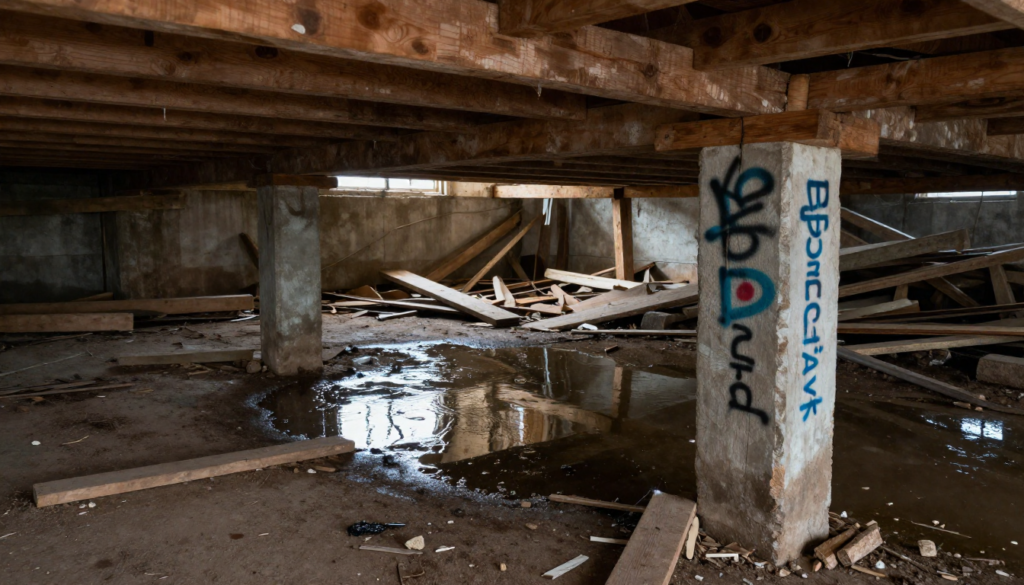
Water in crawl space isn’t just a minor inconvenience. It threatens your home’s structural integrity and your family’s health. The good news? You can address these problems effectively with the right approach.
Start by understanding what’s causing moisture beneath your home. Look for the warning signs we’ve discussed. Take action quickly when you spot problems. Whether you choose DIY solutions or hire professionals, addressing water issues now prevents catastrophic damage later.
Your crawl space might be out of sight, but it shouldn’t be out of mind. Regular inspections and preventive maintenance protect your investment. A dry, healthy crawl space means a stronger, healthier home above it.
Don’t wait until you see mold or feel sagging floors. Take control of your crawl space environment today. Your future self will thank you when you avoid expensive repairs and health problems.
What steps will you take this week to check your crawl space? Start with a simple inspection and go from there. Your home deserves that attention.
Frequently Asked Questions
How much water in a crawl space is too much?
Any standing water in your crawl space is too much. Even small puddles indicate drainage failure that needs immediate attention. Damp soil or moisture on surfaces also signals problems requiring correction. Your crawl space should remain dry year-round.
Can I ignore water in my crawl space if it doesn’t seem severe?
No, you should never ignore crawl space water. Small amounts grow into major problems quickly. Mold develops within 24-48 hours of water exposure. Structural damage progresses silently until it becomes expensive to repair. Address moisture issues as soon as you discover them.
How often should I check my crawl space for water?
Inspect your crawl space at least twice yearly, ideally in spring and fall. Check after heavy rains or flooding in your area. If you’ve had previous moisture problems, inspect quarterly until you’re confident the issue is resolved. Regular monitoring prevents surprises.
Will a vapor barrier alone solve my water problems?
A vapor barrier helps significantly but isn’t always a complete solution. It blocks moisture from soil but doesn’t address water that enters through foundation cracks or poor drainage. Combine vapor barriers with exterior drainage improvements for best results. Severe cases may require additional measures like sump pumps.
Is crawl space encapsulation worth the cost?
Encapsulation is worth it if you have persistent moisture issues or want comprehensive protection. It provides the most effective long-term solution. The upfront cost is higher, but you avoid repeated repairs and health issues. It also improves energy efficiency and home value.
Can I remove crawl space water myself?
You can remove small amounts of standing water with a wet/dry vacuum or pump. However, identifying and fixing the source requires more expertise. DIY solutions work for minor issues, but significant water problems need professional assessment. Safety is paramount when entering flooded crawl spaces.
How long does it take for water damage to occur in a crawl space?
Mold can begin growing within 24-48 hours of water exposure. Wood starts absorbing moisture immediately, leading to rot within weeks or months. The timeline depends on water volume and humidity levels. Quick action minimizes damage, so don’t delay addressing moisture problems.
What humidity level should my crawl space maintain?
Keep crawl space humidity between 40-50% for optimal conditions. Levels above 60% promote mold growth and wood rot. Below 30% is unnecessarily dry. A crawl space dehumidifier with a built-in hygrometer helps maintain proper levels automatically.
ALso Read : Pete Davidson Tattoos