


Puma Den: The Fascinating Secret World You Never Knew Existed in 2026
Introduction
Somewhere deep in the wilderness, tucked beneath a rocky ledge or hidden inside a dense tangle of brush, a powerful predator is raising her young. You would never know it was there. That is exactly the point.
The puma den is one of nature’s best-kept secrets. A puma — also called a mountain lion, cougar, or catamount — does not just sleep anywhere. She selects her den with extreme care, using instincts sharpened over millions of years. The location of a puma den can mean the difference between life and death for her cubs.
This article takes you inside the world of the puma den. You will learn what a den actually looks like, why pumas choose specific locations, how long cubs stay in the den, what threats endanger these spaces, and why protecting puma dens matters to the entire ecosystem. Whether you are a wildlife enthusiast, a student, or simply someone who finds wild cats irresistible, you are in the right place.
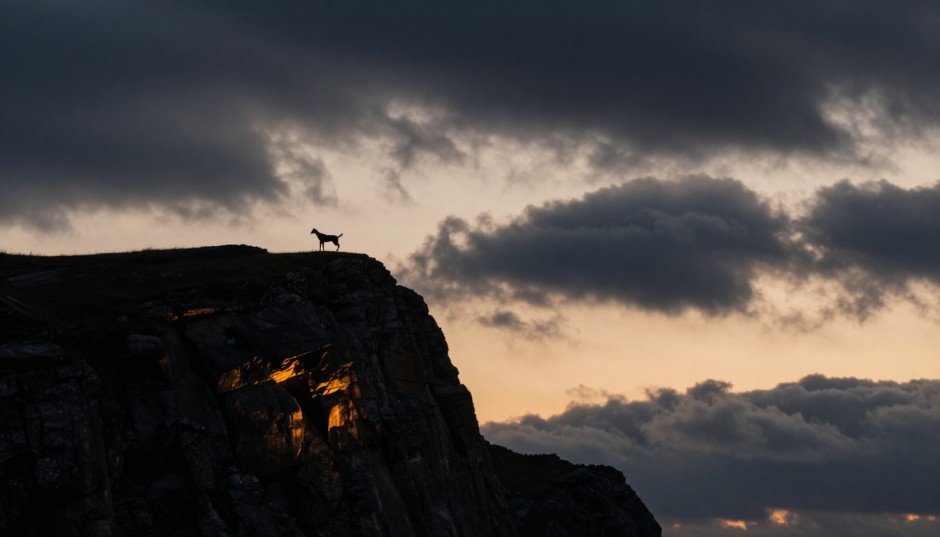
What Is a Puma Den?
A puma den is the sheltered space a female puma (called a lioness or simply a female puma) uses to give birth and raise her newborn cubs during the first weeks of their lives. It is not a permanent home. Think of it more like a carefully chosen nursery.
Unlike wolves, which may dig dens or return to the same burrow, pumas are flexible. They use whatever natural structure offers safety, darkness, and warmth. The key is concealment.
Common Types of Puma Dens
Pumas are adaptable. They do not have one preferred den style. Instead, they work with what the landscape gives them.
Here are the most common puma den types:
- Rocky overhangs and caves: These offer solid protection from wind, rain, and temperature swings. Pumas in mountainous regions often prefer these because they are defensible.
- Dense thickets and shrubs: In flatter terrain, a female puma may use thick vegetation as her den. The tangled branches create a natural barrier.
- Fallen logs and root systems: Large downed trees leave gaps and cavities that a puma can squeeze into. These spots are dark and well-hidden.
- Cliff crevices: Narrow cracks in rock faces offer an almost impenetrable shelter. Predators cannot easily enter, and the entrance is small.
- Dense chaparral: In regions like California, pumas often use chaparral scrubland as den cover. The thick, thorny vegetation keeps threats away.
What unites all of these options is seclusion. A puma will not den near trails, open fields, or areas with frequent human activity. She needs quiet, and she needs cover from above.
How a Female Puma Chooses Her Den
Choosing a den is not random. A female puma spends time scouting before she gives birth. Researchers who have studied puma behavior using GPS tracking collars have observed females making repeated visits to potential sites weeks before they give birth.
She is evaluating several things at once.
Cover and Concealment
The den must be invisible to the outside world. A passing coyote, bear, or human should not be able to spot the entrance easily. She favors spots where vegetation or rock creates a natural screen.
Escape Routes
A puma is a confident predator, but she is still vulnerable when caring for helpless newborns. She selects dens that give her multiple ways out. She does not want to be cornered.
Proximity to Water
Cubs cannot travel far in their first weeks. A female puma must stay close to the den and needs water nearby. Studies in the Rocky Mountains have shown that many den sites are located within a short distance of a reliable water source.
Distance from Competitors
Pumas are solitary. A female will avoid denning in areas where another puma’s home range overlaps heavily. She does not want the stress of territorial conflict while nursing.
Microclimate
Temperature matters. A good den stays cool in summer and retains some warmth in winter. Rocky shelters in particular can regulate temperature naturally through their mass.
What Happens Inside the Puma Den
The den is where everything begins for a new generation of pumas. Understanding what happens inside gives you a real sense of how vulnerable these animals are in their earliest days.
Birth
A female puma carries her cubs for approximately 91 to 97 days. She typically gives birth to two to four cubs, though litters of one or five are possible. The cubs are born with their eyes closed. They weigh around one pound at birth and are covered in spotted fur. Those spots help camouflage them inside the dappled shadows of the den.
The First Weeks
For the first one to two weeks, the cubs cannot see or hear properly. They are completely dependent on their mother. She nurses them, keeps them warm, and regularly grooms them to stimulate circulation and digestion.
The female puma leaves the den to hunt, often for short periods. This is the most dangerous time. She must eat enough to produce milk, but she cannot be away too long. If a predator discovers the den while she is gone, the cubs have no defense.
When Cubs Begin to Explore
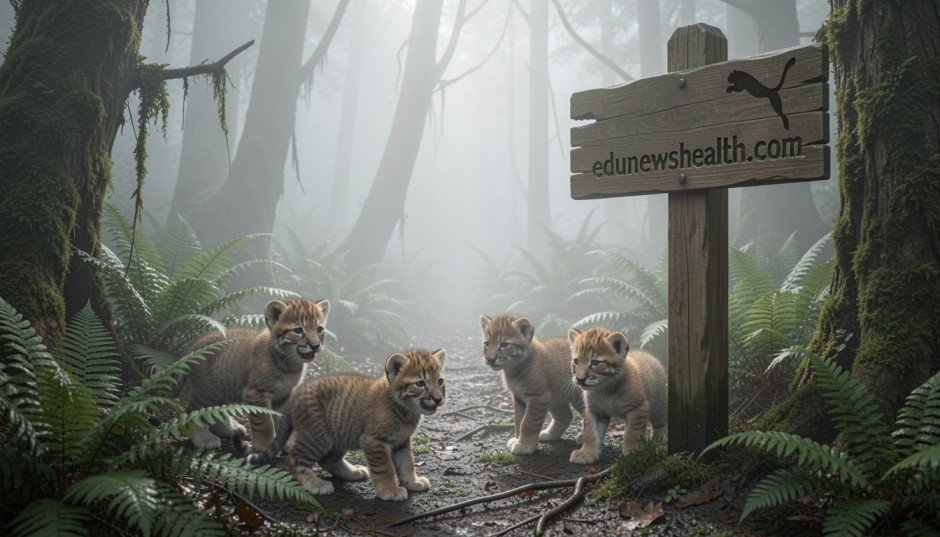
At around six to eight weeks old, cubs begin venturing outside the den. They are unsteady at first. You can picture tiny, spotted fluffballs wobbling near the den entrance while their mother watches carefully.
At this stage, the female begins to move her cubs if she senses any disturbance or threat. She may carry them one by one to a new location. This behavior — moving cubs between den sites — is well documented among pumas across North America.
The Transition Out of the Den
By three to six months, the cubs are spending less time at the den and more time following their mother on hunts. They begin learning to stalk, chase, and eventually kill prey. The den becomes less and less relevant as their world expands.
Full independence usually comes between 12 and 18 months, sometimes up to two years.
The Role of the Puma Den in the Ecosystem
You might wonder why a puma den matters beyond the family unit using it. The answer connects to something much larger: the health of the entire ecosystem.
Pumas are apex predators. They regulate prey populations — primarily deer — which in turn affects vegetation, water quality, and biodiversity. A thriving puma population requires successful reproduction. Successful reproduction requires safe, undisturbed puma dens.
When dens are disturbed or destroyed — through habitat loss, human encroachment, or predator persecution — puma populations decline. And when pumas decline, ecosystems fall out of balance. Deer overpopulate. Vegetation gets stripped. Stream banks erode. The ripple effect is real and well-studied.
A Personal Note
I find this connection genuinely moving. One animal, nesting in one small rocky hollow, can influence the health of an entire river valley. The puma den is not just a nursery. It is a keystone.
Threats to Puma Dens and Puma Families
Despite the puma’s reputation as a fierce predator, puma dens face serious threats. Cubs are fragile. Females are stressed. The den itself can be rendered useless by human activity.
Habitat Fragmentation
Roads, housing developments, and agriculture carve up wild landscapes. A female puma needs a large, connected territory to hunt and find a safe den site. When habitat is fragmented, she has fewer options. She may be forced to den closer to human activity, which increases stress and the risk of conflict.
Human Disturbance
Hikers, off-road vehicles, and even well-meaning wildlife watchers can unknowingly disturb a puma den. If a female detects human scent near her den repeatedly, she may abandon it and move her cubs. Moving cubs is risky. It exposes them to the open, and there is no guarantee the next site will be safer.
Predation
Other large predators pose a real threat to cubs. Bears and wolves (in regions where ranges overlap) are known to kill puma cubs. This is one reason puma mothers are so secretive about their den location and so quick to abandon a site if they feel exposed.
Wildfire
In the American West, wildfire is an increasing threat to puma habitat. Fires can destroy the dense vegetation that makes an area suitable for denning. After a major fire, a landscape can take years to recover enough to support puma families.
Illegal Hunting and Persecution
In some regions, pumas are still hunted or killed in retaliation for livestock predation. When a nursing female is killed, her cubs die too. They are too young to survive without her.
Where Puma Dens Are Found Around the World
The puma has the widest natural distribution of any large wild cat in the Western Hemisphere. That means puma dens exist across an enormous range of habitats.
Here is a quick breakdown by region:
North America Pumas den across the Rocky Mountains, Sierra Nevada, Appalachian foothills, and coastal ranges of California. The American Southwest and Pacific Northwest also support large puma populations.
Central America Pumas den in tropical forests, cloud forests, and scrublands. The terrain is different, but the selection criteria — cover, water, seclusion — remain the same.
South America From the Andes to the Patagonian steppe to Amazonian rainforest edges, pumas in South America use an enormous range of den types. Patagonian pumas often use the open rocky terrain of that windswept landscape.
How Researchers Study Puma Dens Without Disturbing Them
You might wonder how scientists learn so much about puma dens without disrupting these sensitive spaces. The answer is technology combined with patience.
GPS Tracking Collars
Researchers fit adult pumas with GPS collars that record their location every few hours. Over time, patterns emerge. When a female starts returning repeatedly to one specific spot, researchers know she is likely using a den. They can watch remotely without ever setting foot near the site.
Camera Traps
Motion-activated cameras placed near suspected den areas can capture footage of cubs without requiring a human presence. This method has produced some extraordinary footage of puma family life.
Genetic Sampling
Researchers can collect hair, scat, and other biological material from den areas to learn about individual animals, family relationships, and genetic diversity. This data helps conservation managers understand population health.
How You Can Help Protect Puma Dens
You do not have to be a wildlife biologist to make a difference. Here are real, practical steps:
- Support land conservation organizations. Groups like Panthera, the Mountain Lion Foundation, and local wildlife trusts work to protect and connect puma habitat.
- Stay on designated trails. Off-trail hiking in puma country increases the chance of disturbing a den. Stick to marked paths, especially in spring when cubs are most vulnerable.
- Avoid approaching wildlife. If you ever see a female puma acting unusually or appearing to linger near a specific area, keep your distance and report the sighting to local wildlife authorities.
- Drive carefully in wildlife corridors. Vehicle strikes kill many pumas each year. Slow down in areas marked as wildlife crossing zones.
- Spread awareness. Talk to friends and family about puma conservation. The more people understand how vulnerable puma families are, the more community support grows for protecting them.
Frequently Asked Questions About Puma Dens
1. How big is a typical puma den? Most puma dens are small — just large enough for the female and her cubs to fit comfortably. A rocky alcove might be two to three feet deep and wide enough for a mother and two or three cubs to rest inside without exposure.
2. Do male pumas use dens? No. Male pumas are solitary and do not participate in raising cubs. They do not use dens. Only females use dens, and only for the purpose of giving birth and raising young.
3. How often do pumas change den sites? Females can move their cubs to a new den site multiple times. Research suggests some females use three to five different sites during the period when cubs are still too young to travel independently.
4. Can a puma use the same den in a later litter? Yes, this is possible. If a site remains undisturbed and the area is still suitable, a female may return to a previously used den. However, there is no guarantee she will return to the same spot.
5. Are puma dens dangerous for humans to encounter? A female puma near a den with cubs is highly protective. If you stumble upon what appears to be a puma den, back away slowly and calmly. Do not approach or investigate further. Report your observation to local wildlife authorities.
6. How long do cubs stay in the den? Cubs typically remain closely associated with the den for the first two to three months of life. After that, they begin following their mother more as she hunts, and den use gradually decreases.
7. What do researchers do if a puma den is in a dangerous location? If a den is in an area where human conflict is likely — near a road or populated area — wildlife managers may monitor it closely but generally avoid interfering unless there is a direct safety concern.
8. Do pumas in warmer climates still use dens? Yes. Even in warmer regions like Florida or the jungles of Central America, female pumas seek covered, sheltered locations for denning. The structure varies, but the instinct to find a hidden, protected space is universal.
9. How many cubs survive from a typical puma den? Survival rates for puma cubs are difficult to measure precisely, but research in places like Yellowstone and California suggests that one to two cubs from a litter of two to four typically survive to independence. Disease, predation, and accident claim many young pumas.
10. Is the puma den area protected by any laws? In most U.S. states and many countries, disturbing a wildlife den is illegal. However, the puma itself enjoys varying levels of legal protection depending on the region. In some Western states, pumas can still be legally hunted. Conservation advocates continue to push for stronger protections.
Conclusion
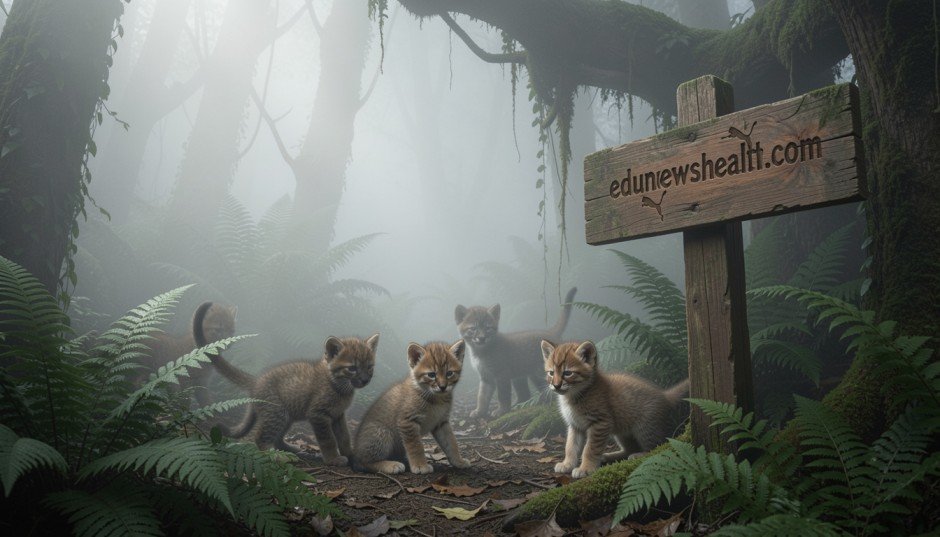
The puma den is more than a hiding place. It is the foundation of a puma’s life — the quiet, hidden space where one of North America’s most powerful predators begins as a blind, spotted cub barely larger than your hand.
Understanding the puma den helps you understand the puma. These animals are not simply fierce hunters. They are careful mothers, strategic thinkers, and essential players in ecosystems that depend on them.
The more we learn about puma dens, the better equipped we are to protect them. And protecting them means protecting the landscapes we all share.
If this article sparked your curiosity, I encourage you to look into puma conservation organizations in your region. Better yet, share this article with someone who loves wildlife. The more people who understand what a puma den really means, the brighter the future looks for these remarkable cats.
What surprises you most about the puma den? Leave a comment below — I would love to hear your thoughts.
Author Bio
Jordan Alvarez is a wildlife writer and conservation advocate with over eight years of experience covering North American ecosystems and large predator behavior. Jordan has contributed to several wildlife publications and frequently collaborates with field researchers to bring accurate, engaging science to general audiences. When not writing, Jordan can be found hiking trails in the Rocky Mountain foothills with a pair of binoculars and a field notebook.
Also read edunewshealth.com
Email: johanharwen314@gmail.com
Author Name: Jordan Alvarez
